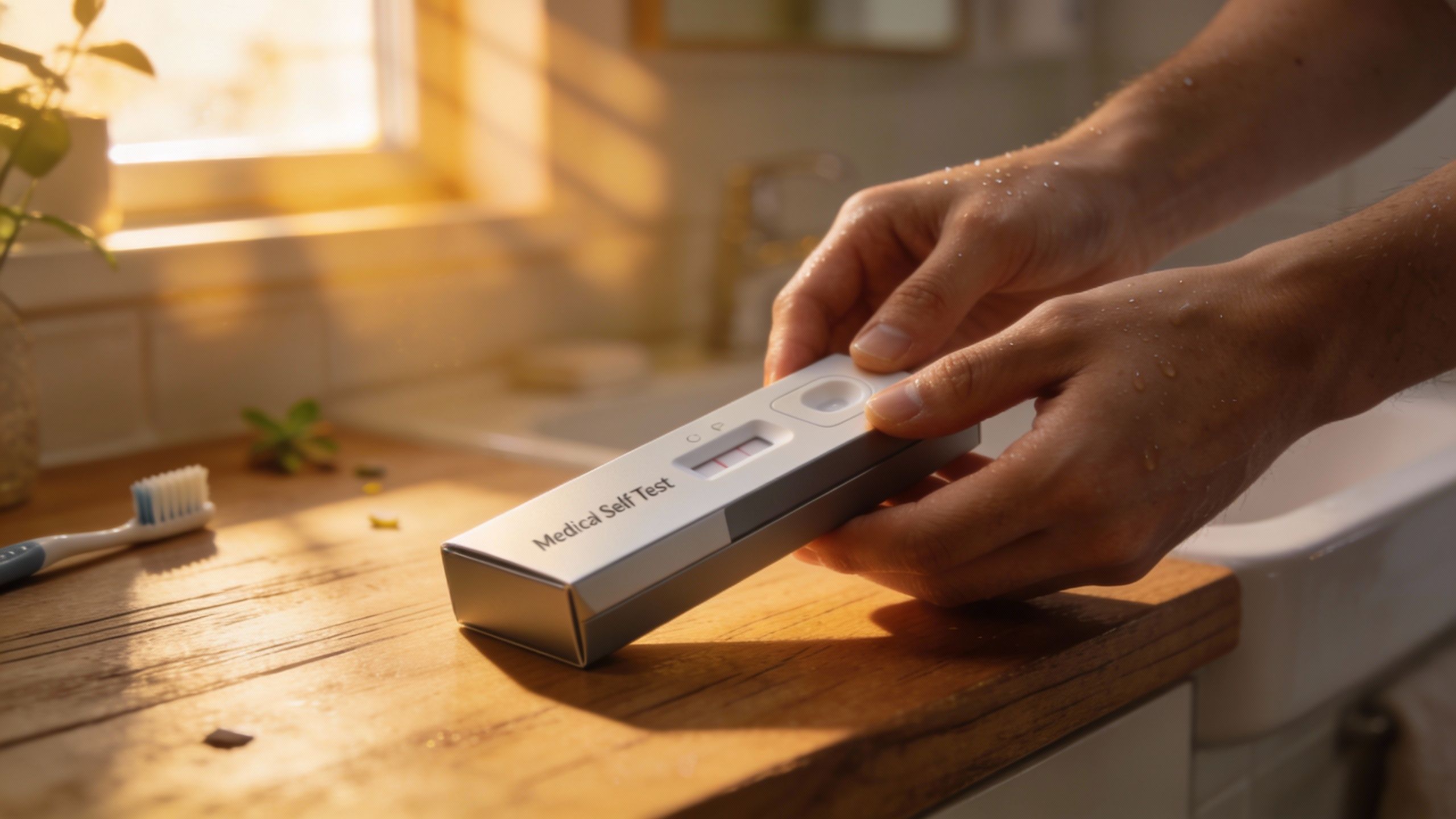
The end of screening anxiety?

Have you ever felt that knot in your stomach? The one you get when you’re sitting on an uncomfortable plastic chair in a crowded waiting room, dreading someone calling your name a little too loudly. Getting tested for a sexually transmitted infection, or STI, has always been… let’s be honest, an ordeal. You have to call, find an appointment, go there, and then there’s the interminable wait for the results. It’s long. It’s awkward. And I think many of us have put it off just to avoid the discomfort.
But now things are changing, and not just a little. Imagine being able to do all this in the comfort of your own home, on a Sunday morning in your pajamas, without making eye contact with anyone. That’s exactly what new biotechnology companies are offering. It’s a small revolution, a bit like what we experienced during the pandemic, but applied to our most intimate lives. We’re talking about analyzing samples yourself and, hold on to your hats, receiving treatment without even setting foot in a doctor’s office. Fascinating, isn’t it? But is it really that simple?
Cutting-edge technology comes to your bathroom
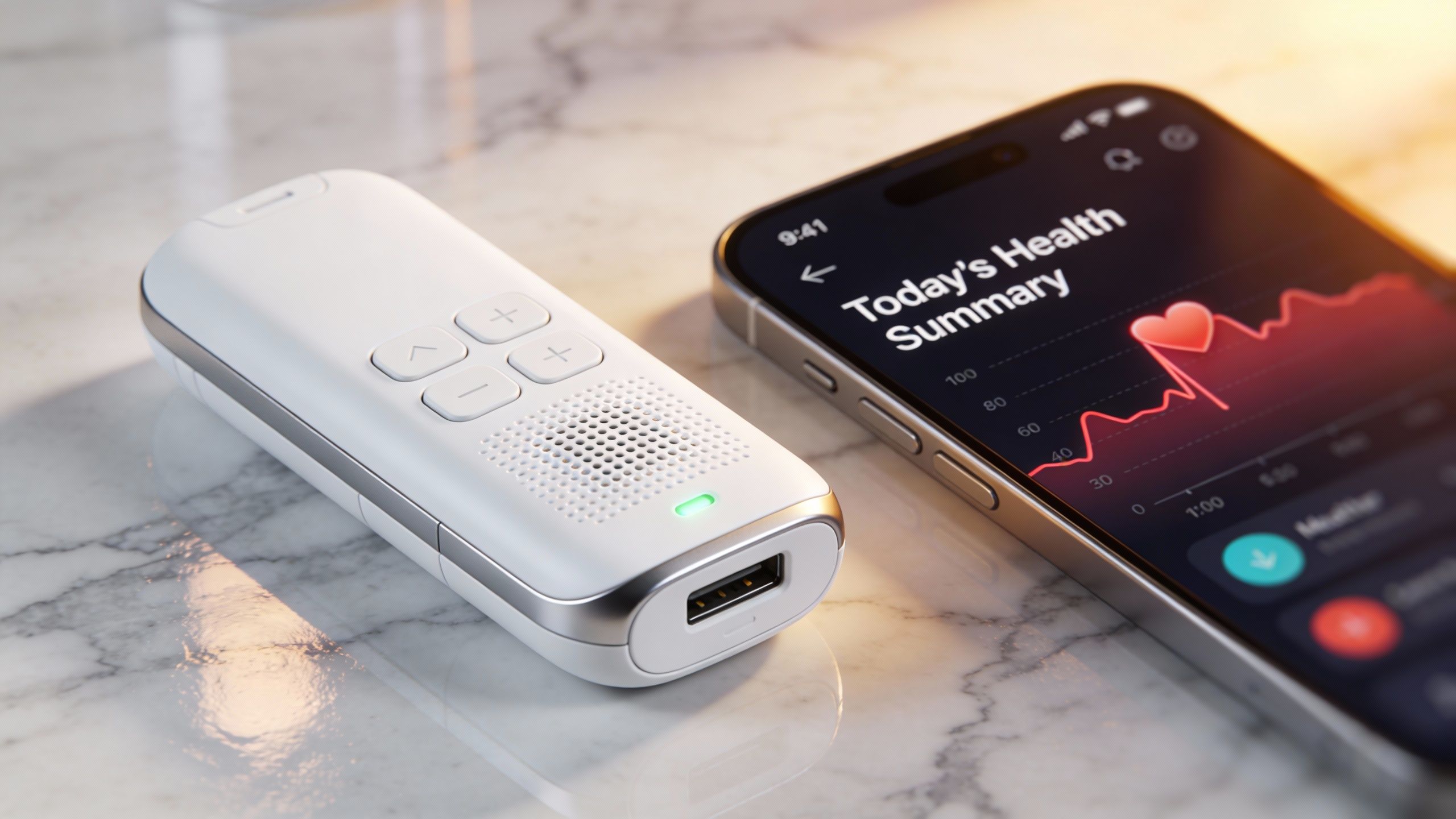
So how does it work in practice? This isn’t science fiction. The US Food and Drug Administration (FDA) recently gave the green light to several of these kits. Take the one from Visby Medical, for example. It’s pretty impressive. This small device can detect three infections at once: chlamydia, gonorrhea, and trichomoniasis. The process is designed to be completely self-administered: the patient takes a vaginal swab herself—a procedure we are unfortunately becoming familiar with due to COVID, even if it’s a different area here!—and then uses a small diagnostic device provided.
Where it gets really interesting is the integration of digital technology. Once the test is done, you take a photo of the device via a mobile app, and presto, the result is available in just a few hours. If it’s positive, a teleconsultation is arranged and you can get a prescription for antibiotics immediately. Dr. Gary Schoolnik, who is chief medical officer at Visby and also a professor at Stanford, explains that this allows people to be treated much more quickly. Above all, it prevents patients from getting lost in the system, those famous « lost to follow-up » who never come back to pick up their results at the lab.
And what about reliability? Apparently, there’s no need to worry. The test has an accuracy rate of over 98%, which is comparable to traditional laboratory tests. In the same vein, there is also Teal Health. They obtained authorization last year for a human papillomavirus screening test. The principle is similar: a vaginal swab taken at home, except that in this case, it is sent to a laboratory. As you may have guessed, all of this is based on the technologies that were rapidly developed for COVID-19 testing. So, at least this difficult period has left us with some useful tools.
Youth and discretion: responding to a health emergency

Conclusion: The price of health and the challenges ahead

According to the source: science-et-vie.com Created by humans, assisted by AI.