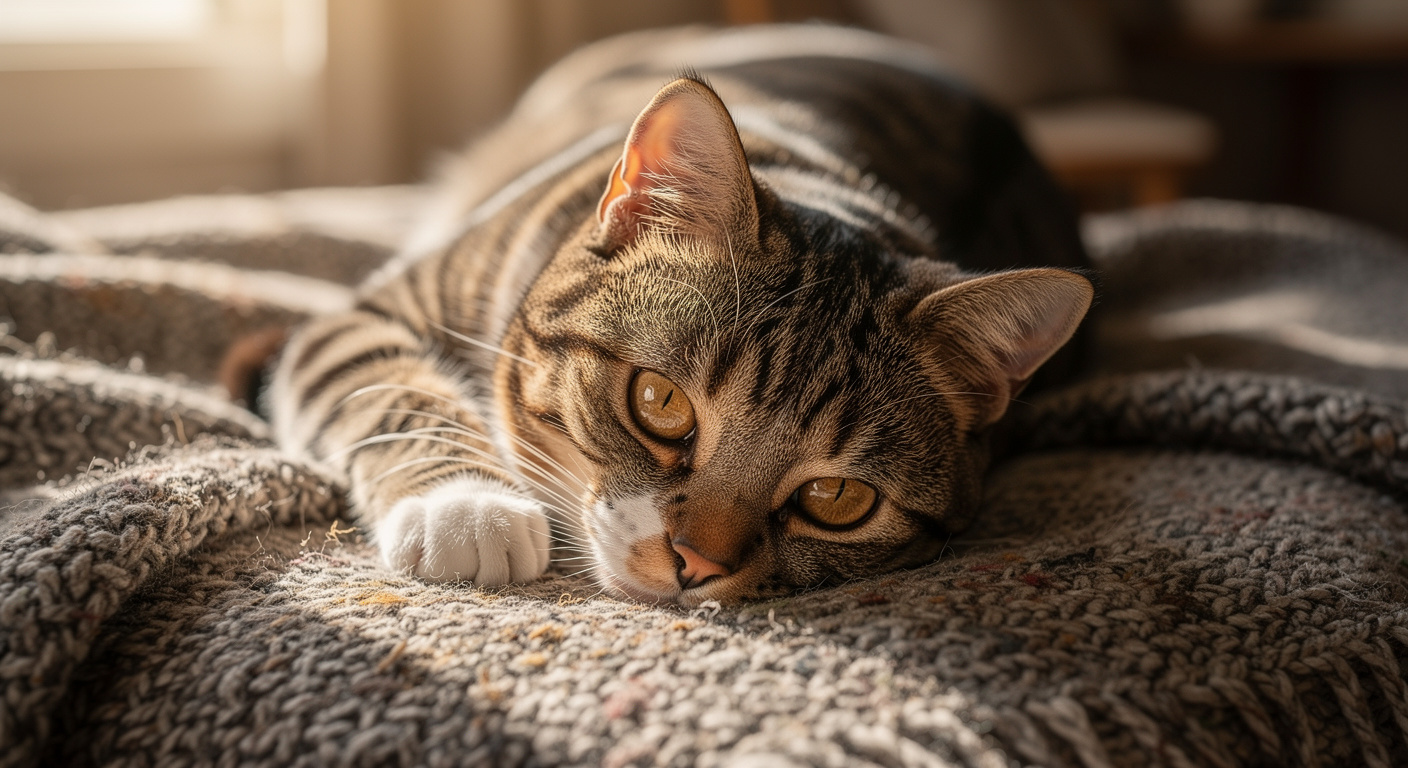
More sensitive than a two-year-old
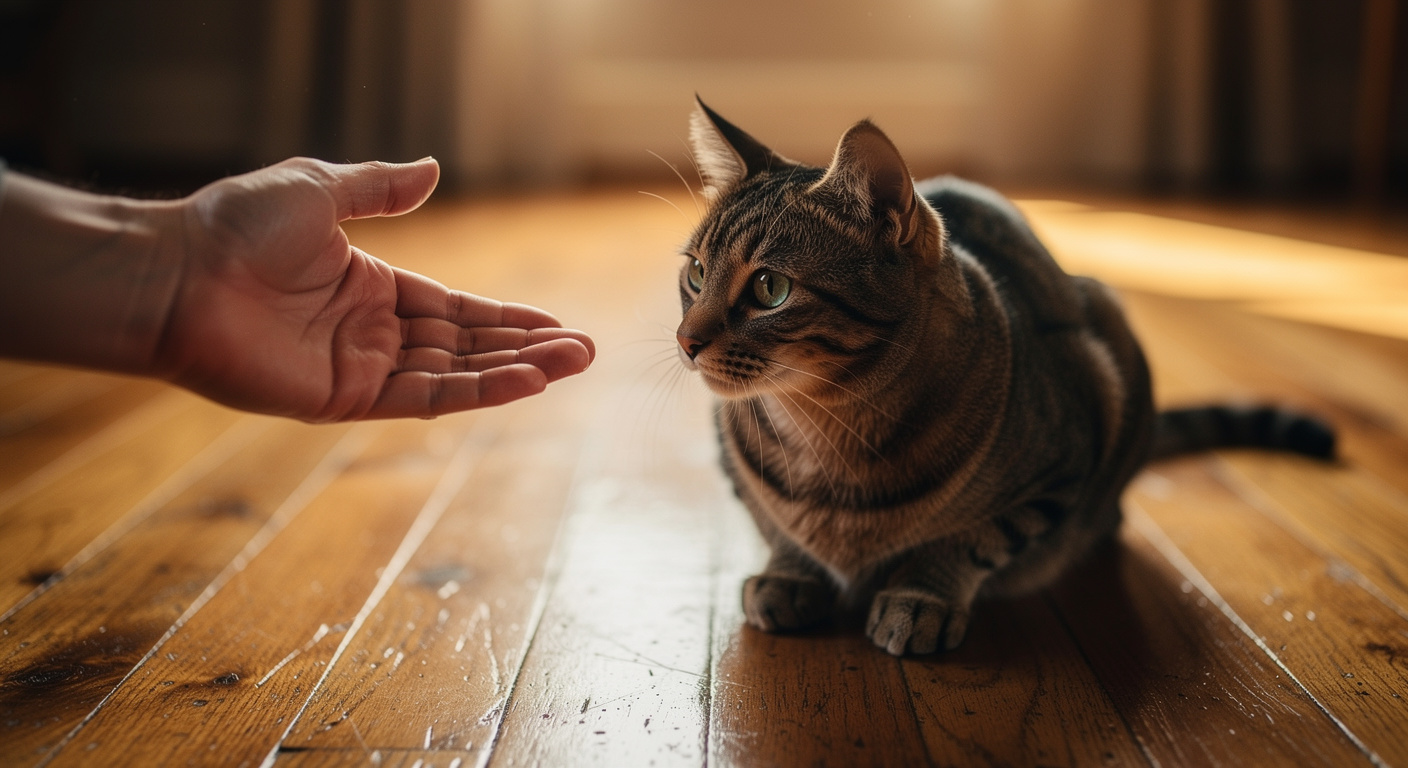
Have you ever seen your furry friend scurry off to a corner or ignore you completely after being scolded? It’s not just for show. Just like us, our feline friends have feelings and they can be hurt. The intelligence of domestic cats is often compared to that of toddlers, and the same is true for their emotional quotient. Science is clear: cats experience the six basic emotions observed in two-and-a-half-year-old children. Surprise, fear, disgust, sadness, joy, and anger. Nothing less. But what really causes this distress? For Newsweek, behaviorists have pinpointed our mistakes.
Forced cuddles and loneliness: social faux pas
The first classic mistake: indifference. Mieshelle Nagelschneider, a behaviorist at the Cat Behavior Clinic, is categorical: the solitary cat is a myth. On the contrary, cats have a vast social repertoire and need meaningful interactions with us every day. Ignoring them creates unnecessary stress for them.
Also, be careful how you handle them. While grabbing a kitten by the scruff of the neck is acceptable, this should never be done with an adult cat. With their greater body mass, this causes intense stress and can lead to muscle injuries or even spinal fractures. Similarly, avoid forcing them into uncomfortable situations.
Mieshelle Nagelschneider points to a worrying trend on social media: dressing up your cat or forcing it to interact with other animals just for a video. « It’s inhumane and contrary to basic animal welfare, » she warns. If your cat hates that pirate costume, don’t force it on them.
Discipline and routine: the devil is in the details

Think you’re doing the right thing by scolding Kitty when he misbehaves? Think again. According to Preston Turano, veterinarian and spokesperson for Felix Cat Insurance, scolding has the opposite effect. Yelling and physical punishment don’t work because cats don’t understand them. The solution? Positive reinforcement to encourage good behavior.
Your cat is also a routine freak. Preston Turano points out that meals served too early or too late can deeply disturb them. The same goes for the litter box: leaving it dirty disrupts their comfort and exposes them to urinary or respiratory infections.
Finally, neglecting your cat’s health is perhaps the worst betrayal of all. Dr. Brad Krohn warns about hypertrophic cardiomyopathy (HCM), a common disease. If your cat is coughing or seems lethargic, rush to the vet. Ignoring these clinical signs is literally putting your cat’s heart at risk.
The ultimate breakup and how to make up for it
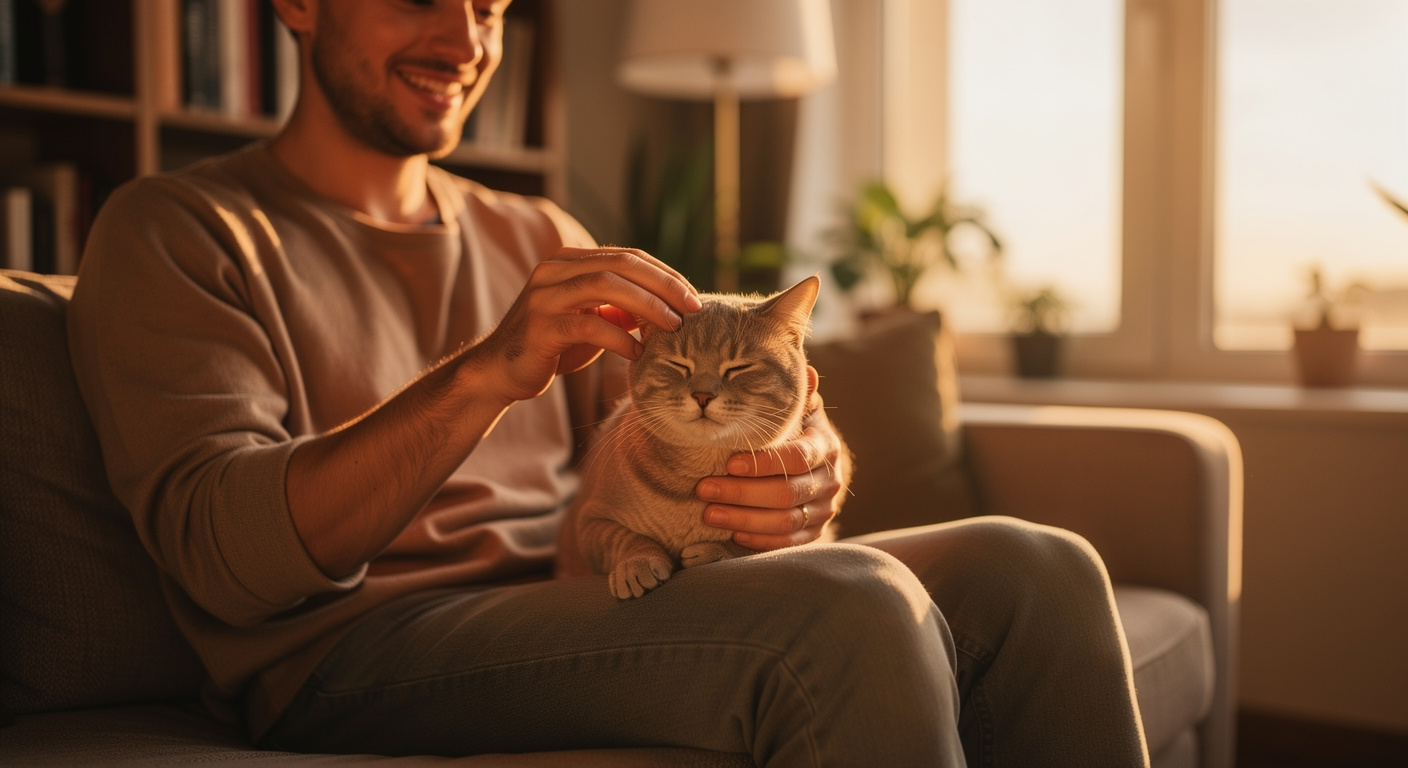
Of course, nothing breaks an animal’s heart more than abandonment. The American figures are chilling: of the 6.3 million animals entering shelters each year, 3.2 million are cats. While some are adopted or returned, at least 530,000 are euthanized each year. A sad reminder that adoption is a lifelong commitment. But let’s get back to our little everyday worries. Did you serve dinner late? Did you raise your voice? Don’t panic. Cats have a fairly limited short-term memory; they probably won’t remember this morning’s incident. To make it up to them, create a calm environment, play with them, and respect their needs. It’s this constant love that forges an unbreakable bond, much stronger than a litter box changed an hour late.
According to the source: newsweek.com
Created by humans, assisted by AI.