A relative biological normality

When growth leaves its mark: the example of the foot
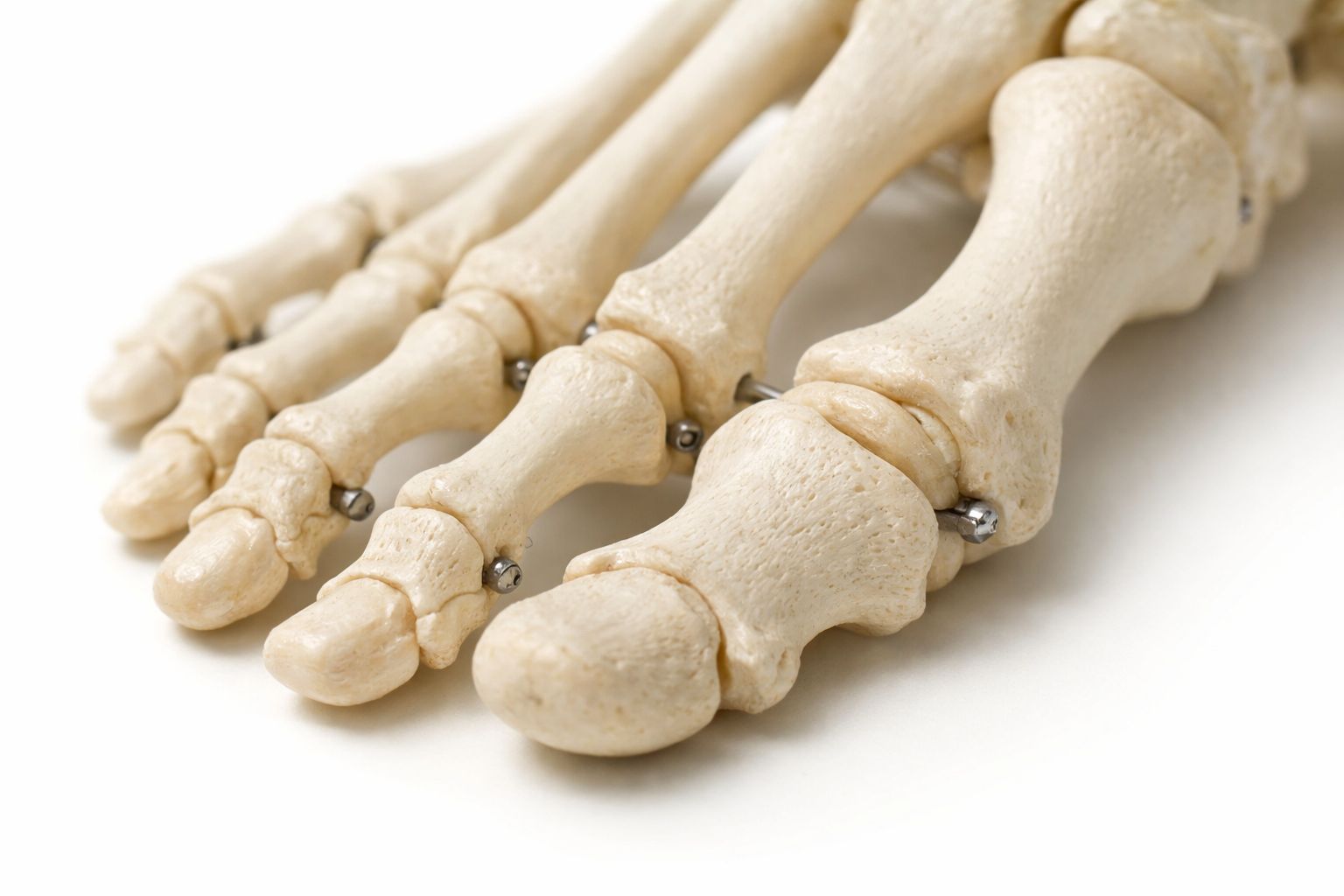
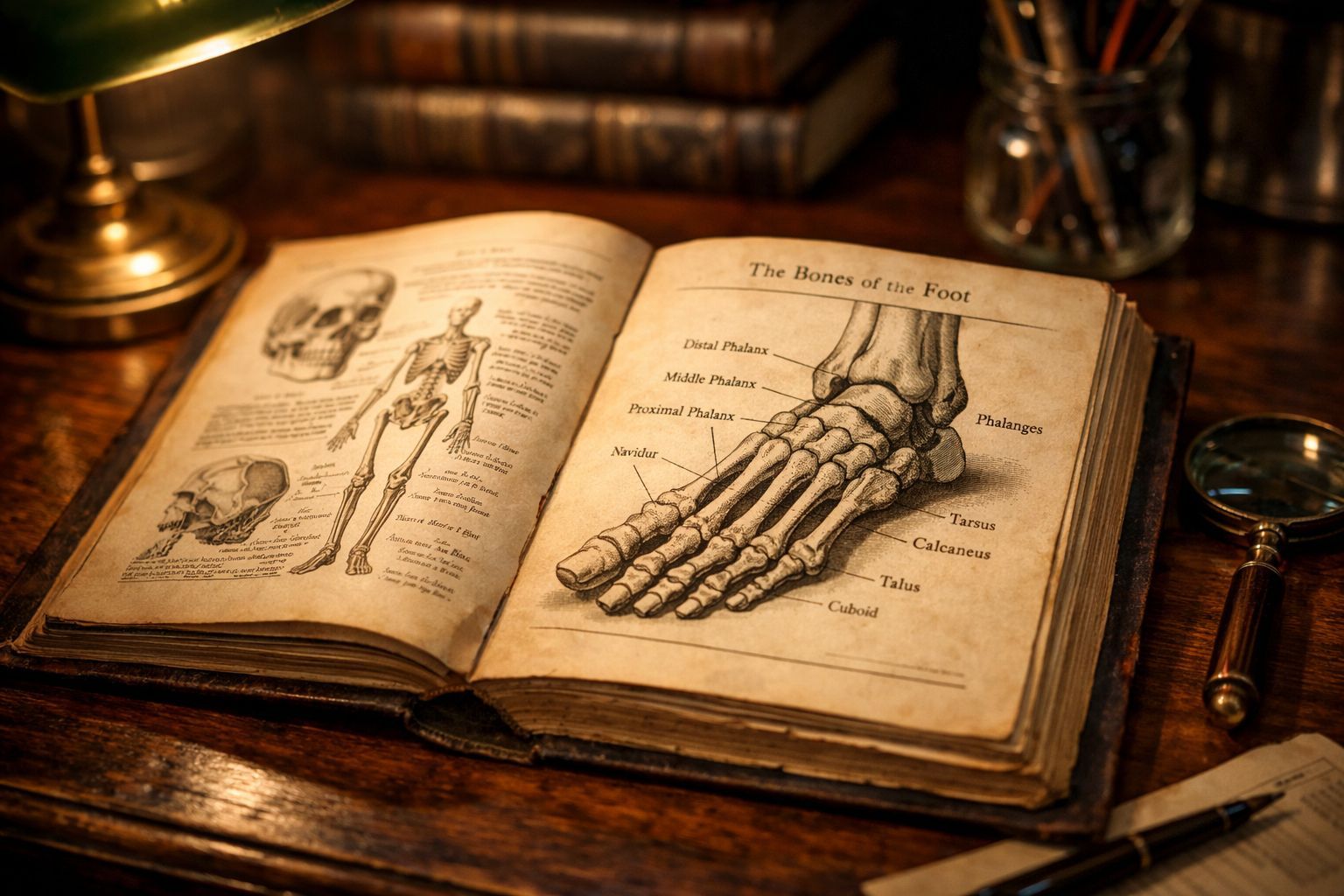
It’s important to remember where we come from. At birth, a baby’s body is a kind of complex puzzle with many more bones than an adult, sometimes as many as 300. That’s a lot when you think about it. As we grow, nature generally does its cleaning up: many ossification centers gradually fuse together to build larger, stronger structures. But nature is not always like a Swiss watch. In some people, this process remains partially incomplete. It leaves behind autonomous bone fragments, like little reminders of the past.
I would like to point out that these variations are neither a disease nor a frightening rare anomaly. They simply reflect a different trajectory, a side path of bone development. Anatomists—those explorers of the human body—refer to these as secondary ossification centers which, for one reason or another, never fused with the main bone. The phenomenon is quite common: it affects the feet as well as the hips and even the cervical spine. To give you an idea of the scale of the phenomenon, serious research published in the journal Scientific Reports in 2024 has quantified it. Based on a meticulous analysis of Portuguese skeletal collections, the researchers showed that approximately 18% of individuals had at least one accessory bone in their foot. That’s almost one in five people! This frequency is quite incredible and reminds us that the human skeleton tolerates a great deal of variability without necessarily impairing its everyday function.
Invisible ghosts often mistaken for fractures
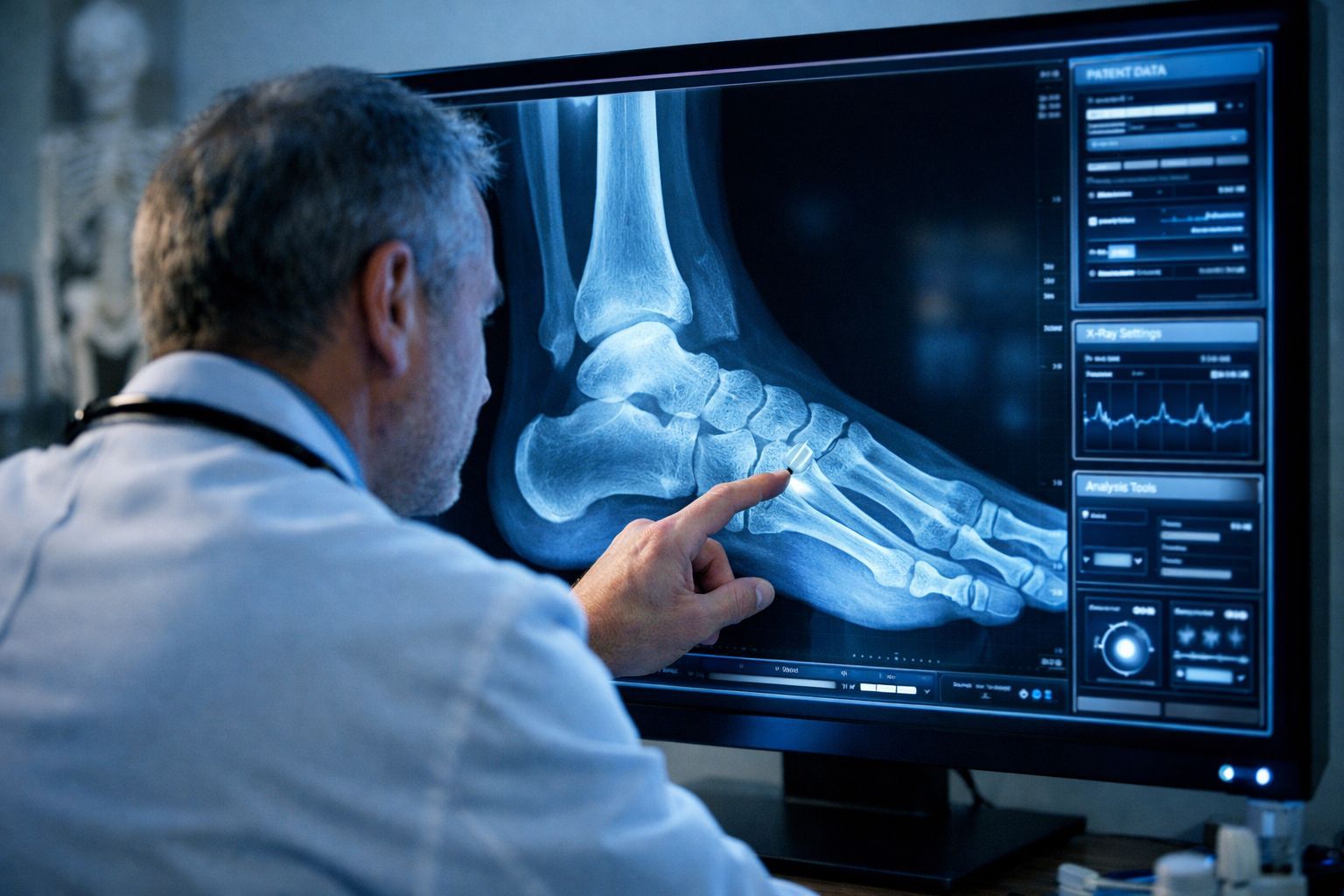
Certain areas of the body seem to be particularly prone to these variations. The foot is a prime example (our feet certainly have their secrets), with bones that have somewhat barbaric names such as the trigonum bone or the accessory navicular bone. They are often there, hidden in the shadows, without causing any symptoms. Their presence does not affect walking or joint stability in most situations. We literally walk on extra bones without knowing it.
When anatomy awakens: Hip, neck, and unexplained pain
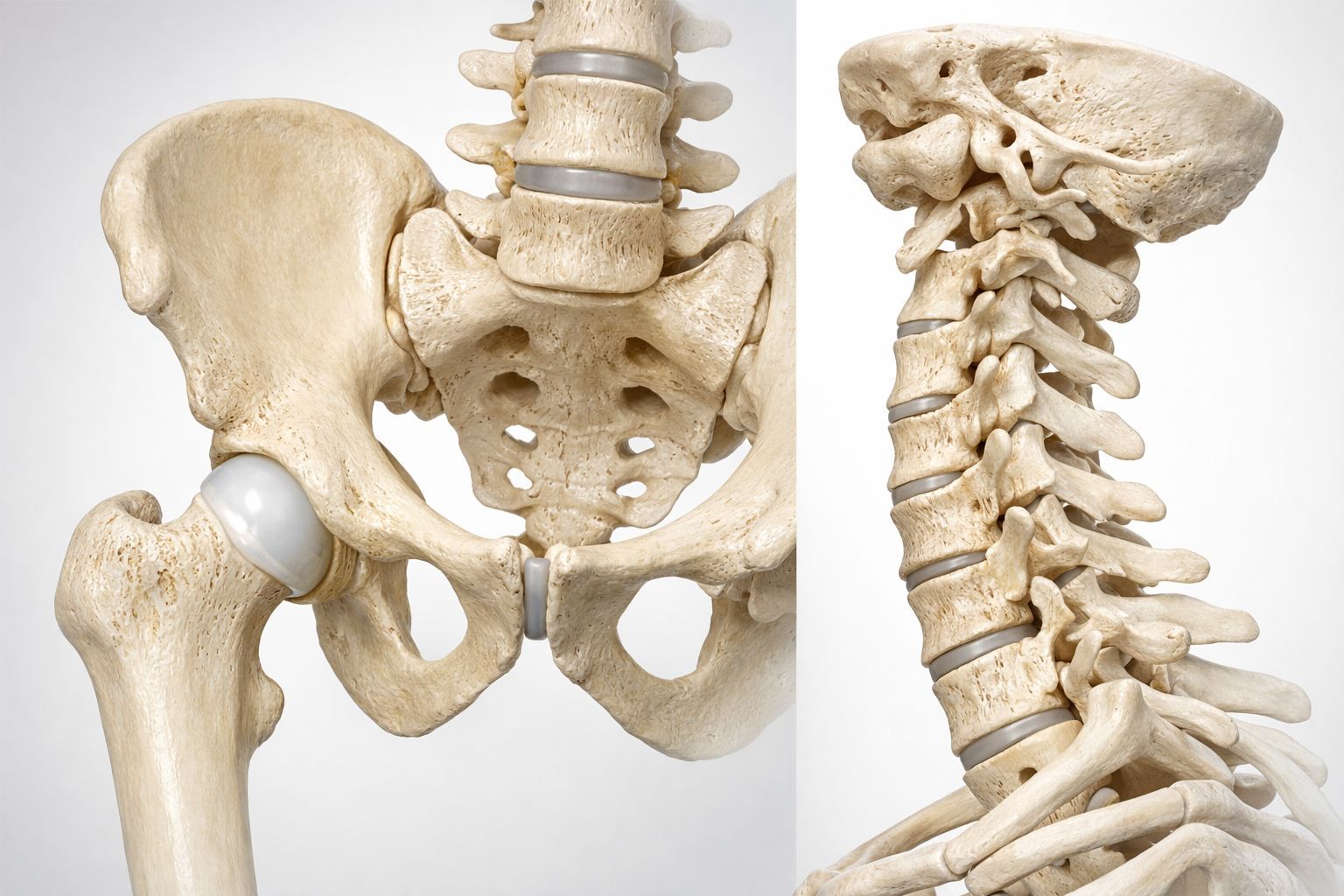
A comprehensive review published recently, in 2025, in the Bratislava Medical Journal examined this phenomenon, focusing on accessory bones of the hip, and in particular a certain acetabular bone. The authors show that this bone is present in less than 5% of the general population. That’s not many, of course. But the figure rises among patients suffering from joint pain or conflicts. Its size and position directly influence the symptoms and, in turn, the surgical decisions that will have to be made. Another example that is a little spine-chilling, but well documented, concerns the cervical ribs. These are supernumerary bones located at the base of the neck. According to the renowned Cleveland Clinic, up to 1% of people have one or two without even knowing it. The problem is that in rare cases, they can compress nerves or blood vessels. The result? Pain and weakness in the arm. Correct identification of these bones can prevent inappropriate treatment and direct care toward the real cause of the problem. These situations remind us that these bones are not just museum curiosities; recognizing them plays a key role in understanding certain unexplained pains, especially in athletes.
Conclusion