A ghost ocean beneath the dust
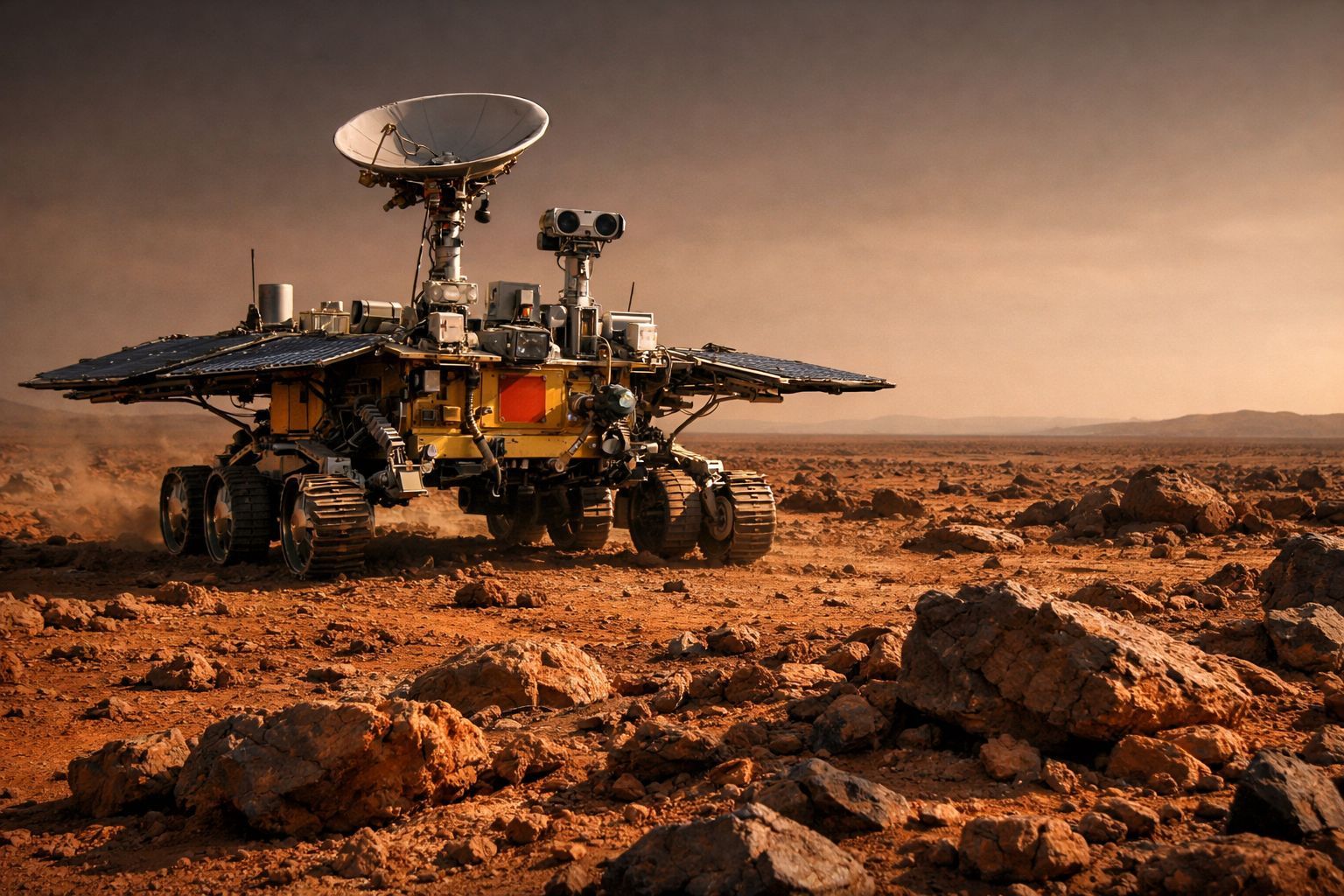
It all starts with the Chinese rover Zhurong, the little adventurer of the Tianwen-1 mission. What it found up there could well overturn everything we thought we knew, or at least what we assumed, about the wet past of the Red Planet. We are talking here about new data that points to some rather telling sedimentary formations. The article, initially published on February 25, 2025, suggests that yes, an ocean may well have lapped at the surface. Utopia Planitia: rivers or giant ocean?
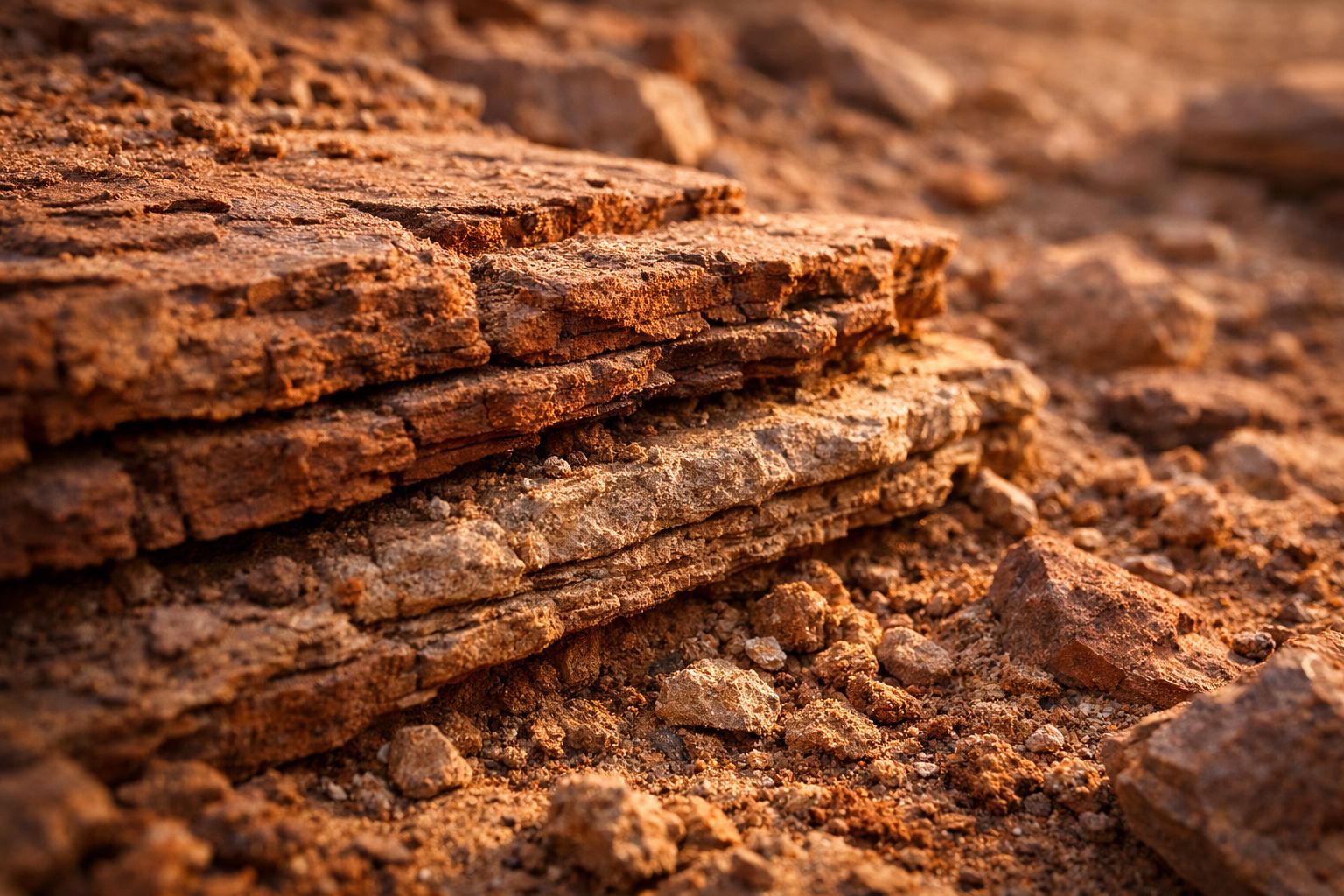
For the scientific team, this is a sign that a « large body of water » once stagnated there. But beware, this is where things get a little complicated. The idea of a Martian ocean has been a bone of contention in laboratories for years. It’s controversial, to say the least. Almost everyone agrees that there was liquid water, that’s now a proven fact. But in what form? Until now, the networks of valleys and rocks at our disposal told us more about rivers than about a vast sea.
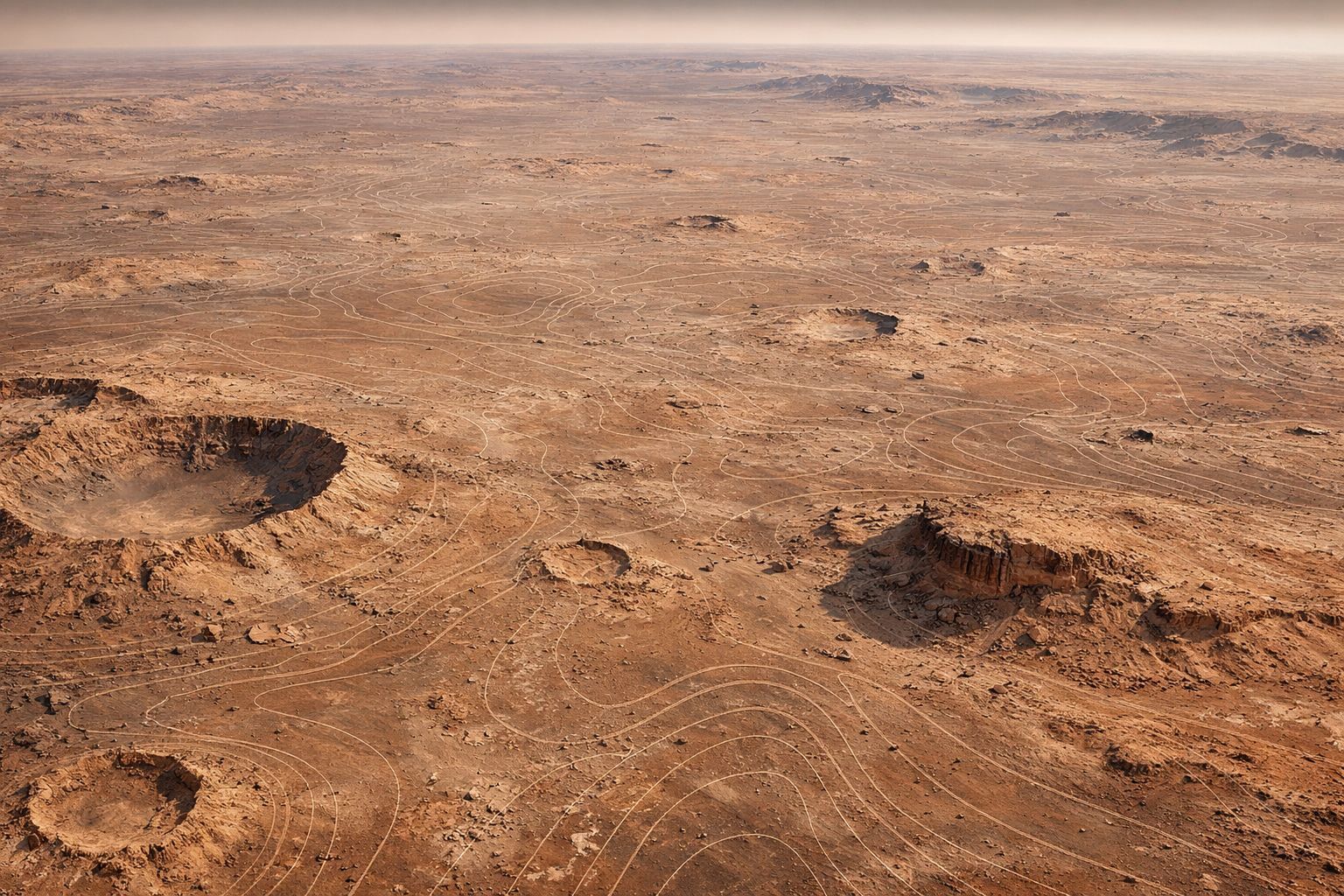
However, researchers point out that the lack of concrete evidence had always forced the community to remain cautious about this famous « ocean hypothesis, » even though the northern lowlands seemed to be the ideal candidate to accommodate such a large body of water.
Radar that sees beneath the sand

This is where it gets technical, but bear with me. According to the study, these new orbital images are a game changer: they make it possible to map the possible extent of these waters, which could have covered as much as « one-third of the Martian surface. » That’s right. Dr. Benjamin Cardenas, who works at Penn State University and co-authored the research, told The Guardian how they did it. Basically, Zhurong was sent to explore specifically in the southern part of Utopia Planitia. Why there? Because it’s right next to areas where « paleo-coasts have been mapped from satellite data. » Once there, the rover deployed its ground-penetrating radar. It’s a formidable tool. « In general, radar detects even subtle changes in sediment size, » says the specialist.
Dr. Cardenas’ verdict is clear. The structure they found is simple, but it tells a complex story: there must have been « tides, waves, and a river nearby. » Above all, this small aquatic world must have been active for a « prolonged period of time. » This is not a small, temporary stream. And for those who still have doubts, he points out that it does not resemble volcanoes or wind-shaped dunes, which are common there.
Conclusion: The cradle of Martian life?

So, did the Red Planet once harbor life? It’s quite possible. For the researcher, this site would in any case be « an ideal place to send a follow-up mission in search of signs of past life. » Who knows what we’ll find under the sand next time?
According to the source: science-et-vie.com This content was created with the help of AI.