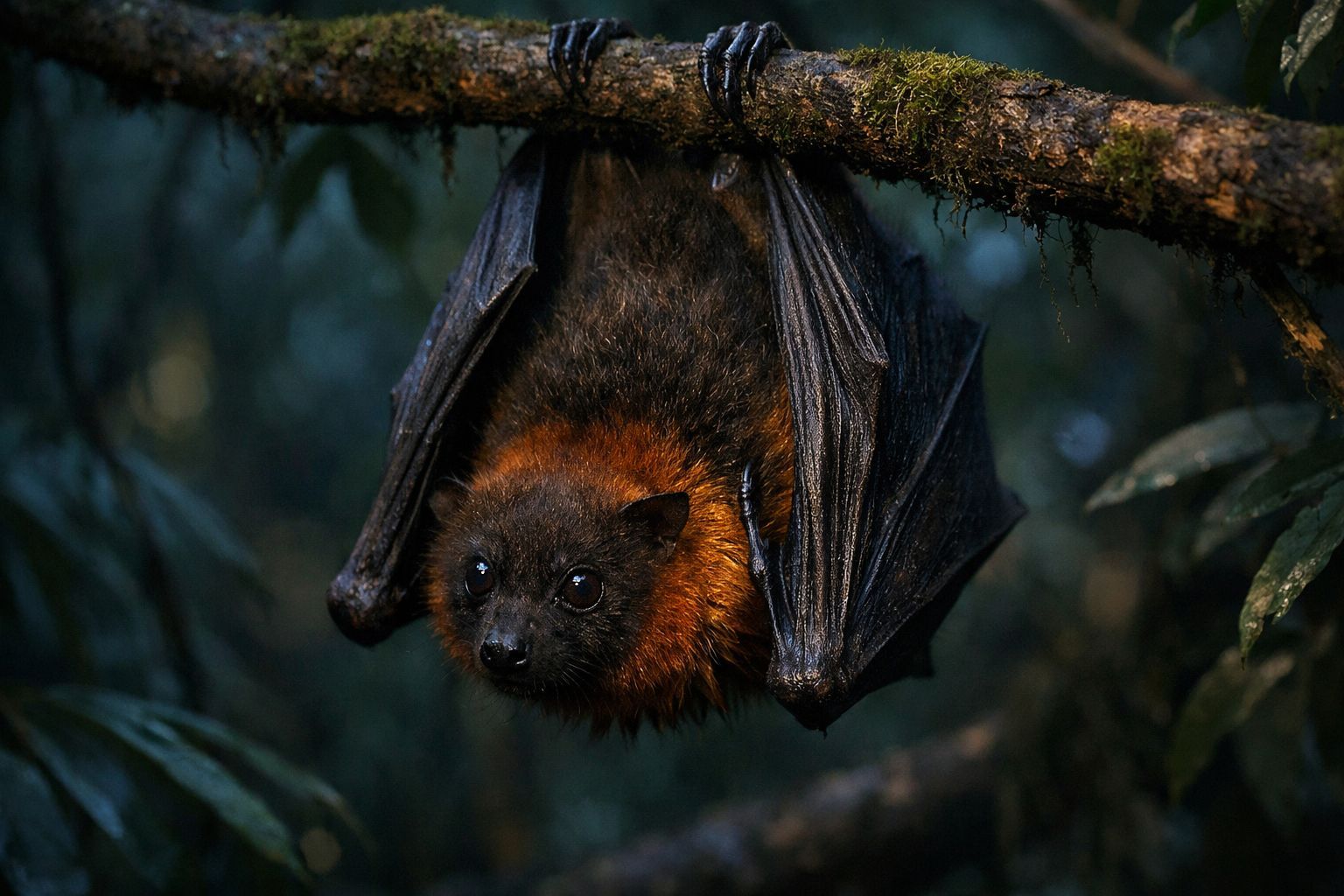
An unwelcome visitor from the forests
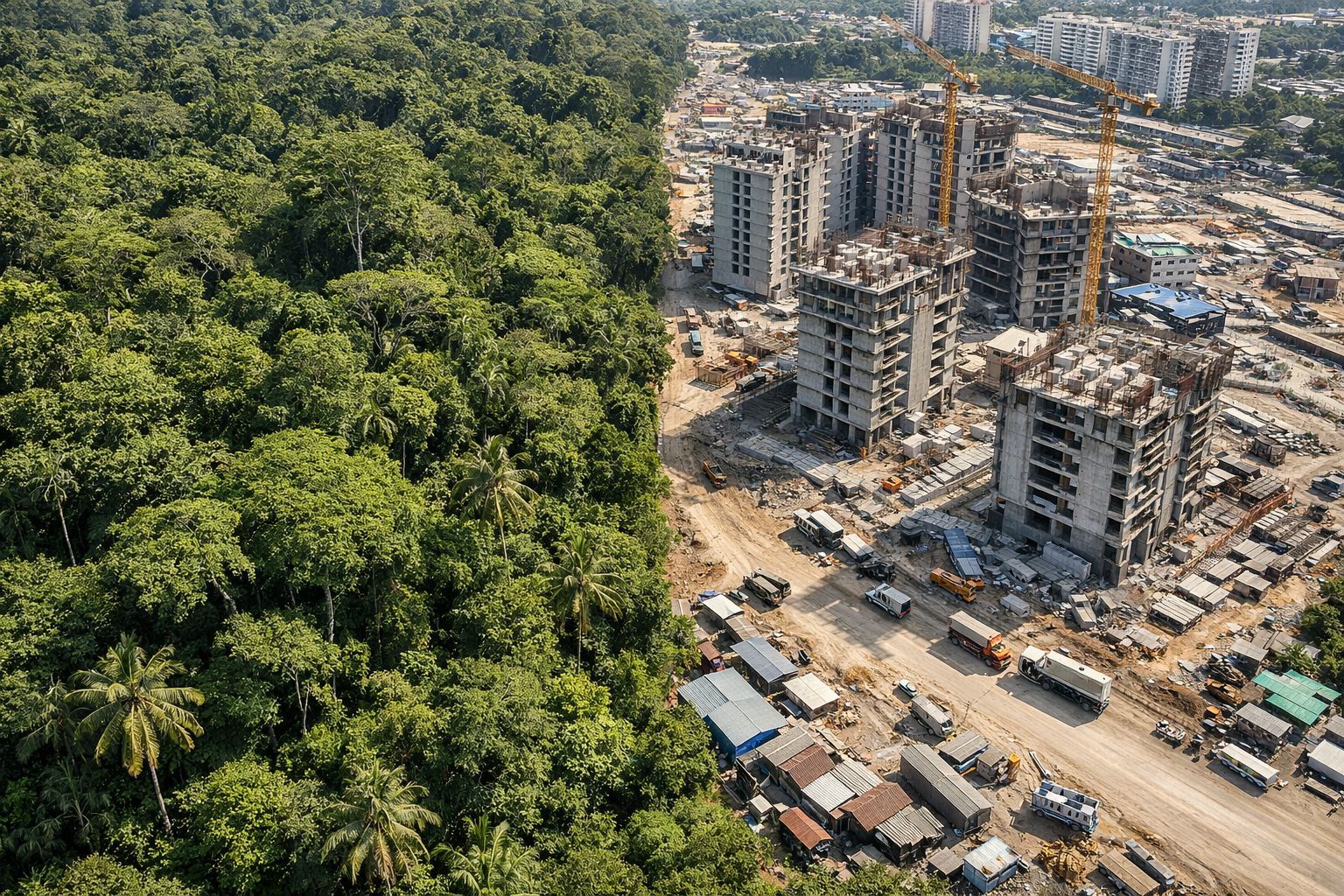
How does the virus spread to humans?

A chilling mortality rate

What makes Nipah particularly dangerous is its initial discretion followed by extreme violence. It advances masked: incubation can last up to three weeks. At first, it looks like a simple flu with fever, body aches, and headache. Classic, right?
Except that things can quickly spiral into encephalitis, or inflammation of the brain. Confusion, convulsions, even coma… The clinical picture is grim. The WHO figures are clear: the fatality rate ranges from 40% to 75% depending on the epidemic. And for those who survive? They are not always out of the woods, with risks of persistent neurological sequelae or even late relapses.
India on high alert
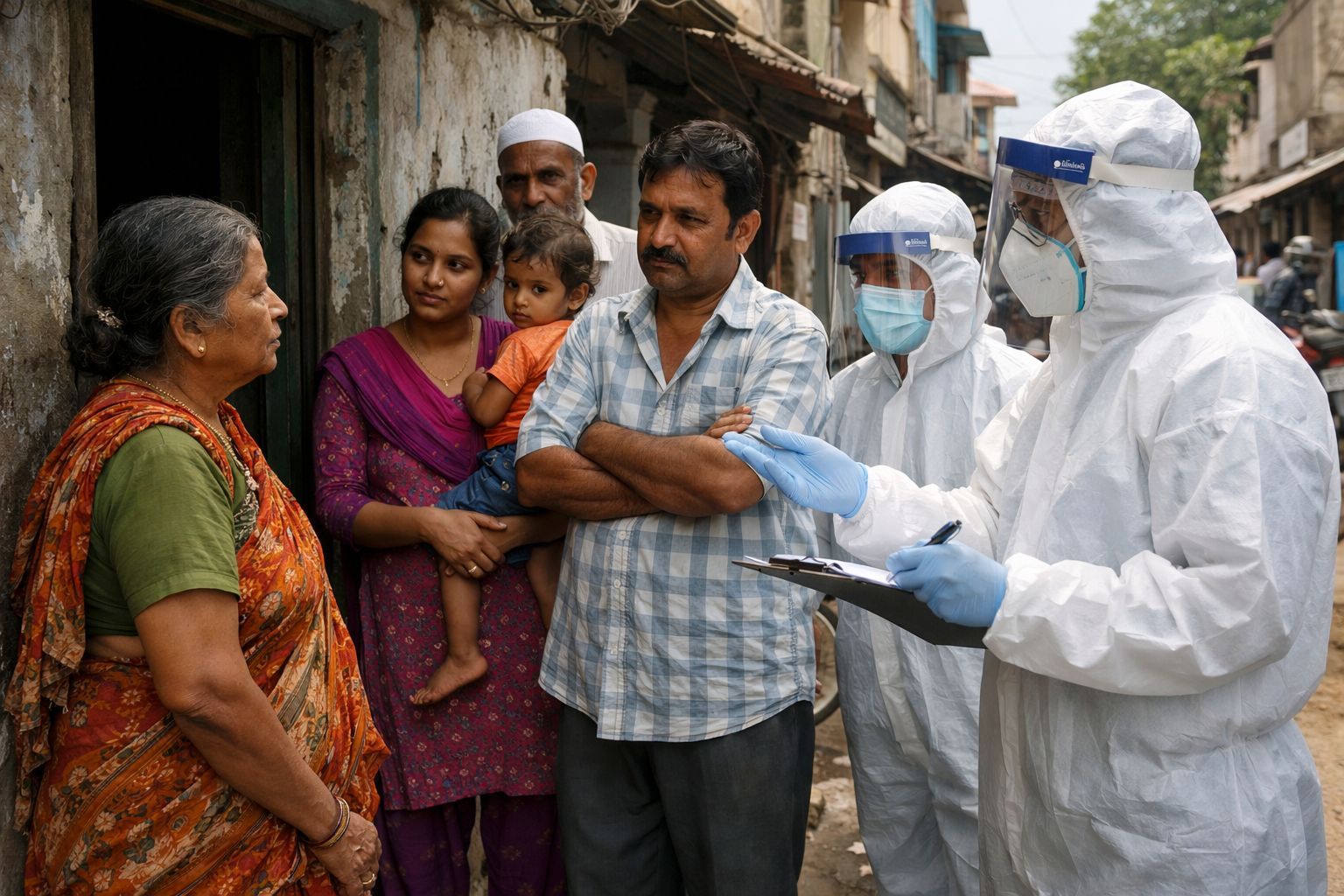
Faced with this threat, the Indian authorities are taking no chances. When the alert was issued in 2023, the response was massive. The Ministry of Health sealed off nine villages and banned public gatherings. Imagine the scale of the task: teams visited more than 53,000 homes to screen for possible cases, as reported by the WHO.
In the district of Kozhikode, which has already suffered three waves in less than five years, the system is well-oiled. Dedicated ambulances, reinforced isolation units, and even psychological support for the population. The National Institute of Virology has confirmed that the current strain is similar to the one in Bangladesh, proving that the virus is indeed circulating in the region.
Nipah may not spread as quickly as Covid-19, but its high lethality makes it a sword of Damocles. Until there is a treatment or vaccine, our only defense remains surveillance and, above all, better management of our coexistence with wildlife.
According to the source: science-et-vie.com Created by humans, assisted by AI.