Introduction
Standing in front of the drinks aisle, choosing a beverage can quickly become a headache for anyone monitoring their blood sugar levels. The terms « zero sugar » and « diet » (or light) are displayed everywhere, often used interchangeably by consumers. But do they really mean the same thing? From a strictly glycemic point of view, these two categories of sodas are designed to offer a sweet taste without causing the glucose spike associated with traditional drinks. But the reality is more nuanced: understanding the exact definitions, the sweeteners used, and their effects on the body beyond simple sugar levels is essential to making an informed choice.
Decoding: the war of labels and ingredients
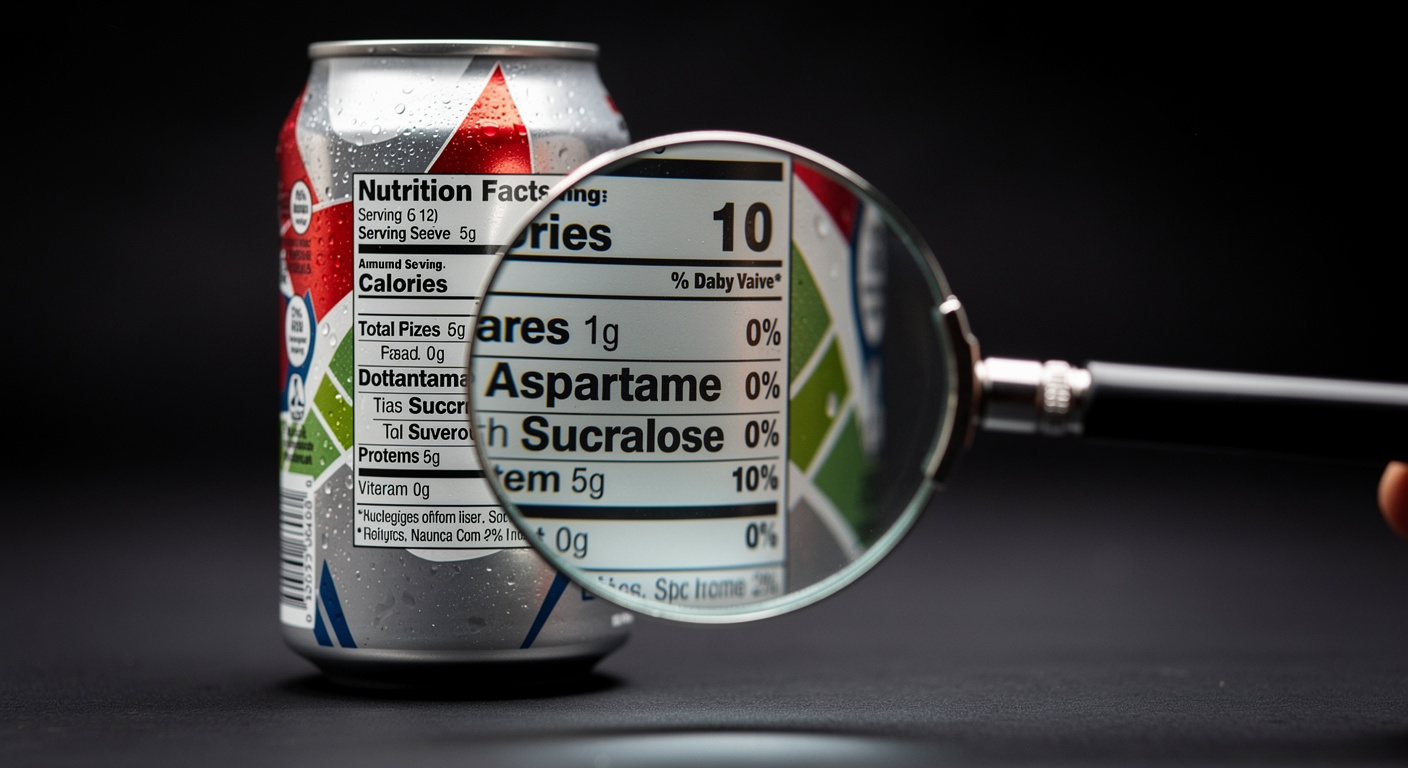
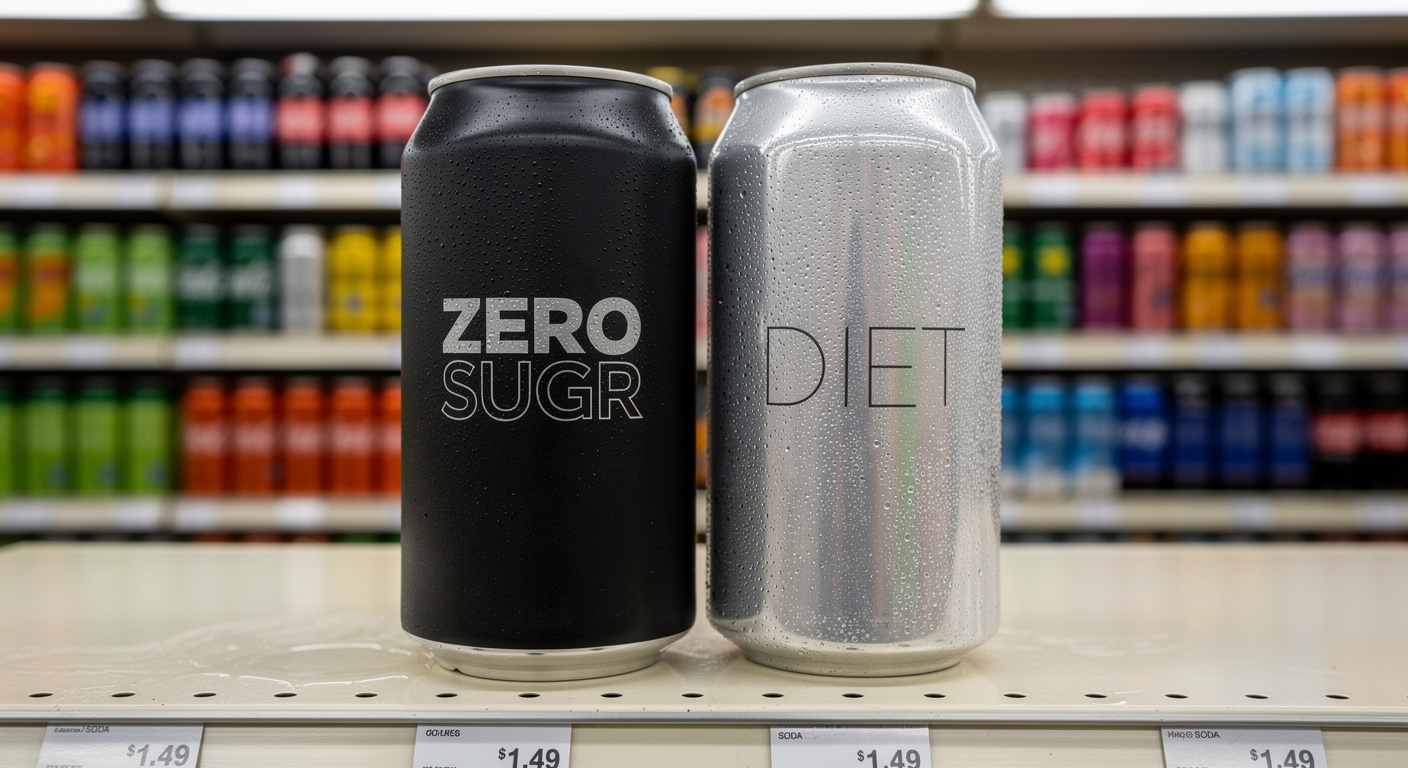
Contrary to popular belief, the terms « zero sugar » and « diet » are not synonymous and are not subject to the same regulations. Kimberley Rose-Francis, dietitian (RDN, CDCES), makes a crucial point: the term « zero sugar » does not guarantee a total absence of sugar. Rather, it indicates that the product contains less than 0.5 grams of sugar per serving. The term « diet, » on the other hand, is more of a marketing term. It generally refers to a product whose recipe has been modified to be lower in calories or sugar than the original version. To achieve that sweet taste without the calories, both options rely on non-nutritive sweeteners. The list often includes aspartame, sucralose, acesulfame potassium, or stevia. The exact combination varies by brand, making it essential for informed consumers to read the list of ingredients.
Blood sugar, appetite, and microbiota: what happens in the body?
Why are these sodas often recommended in meal plans for diabetics? Danielle Smiley, RDN, LDN, CDN, explains that most non-nutritive sweeteners do not cause a sharp rise in blood sugar or insulin when consumed alone, unlike traditional sugary drinks. However, individual responses may vary. Some people, particularly those with insulin resistance, prediabetes, or diabetes, may notice changes in their appetite or sugar cravings after consumption.
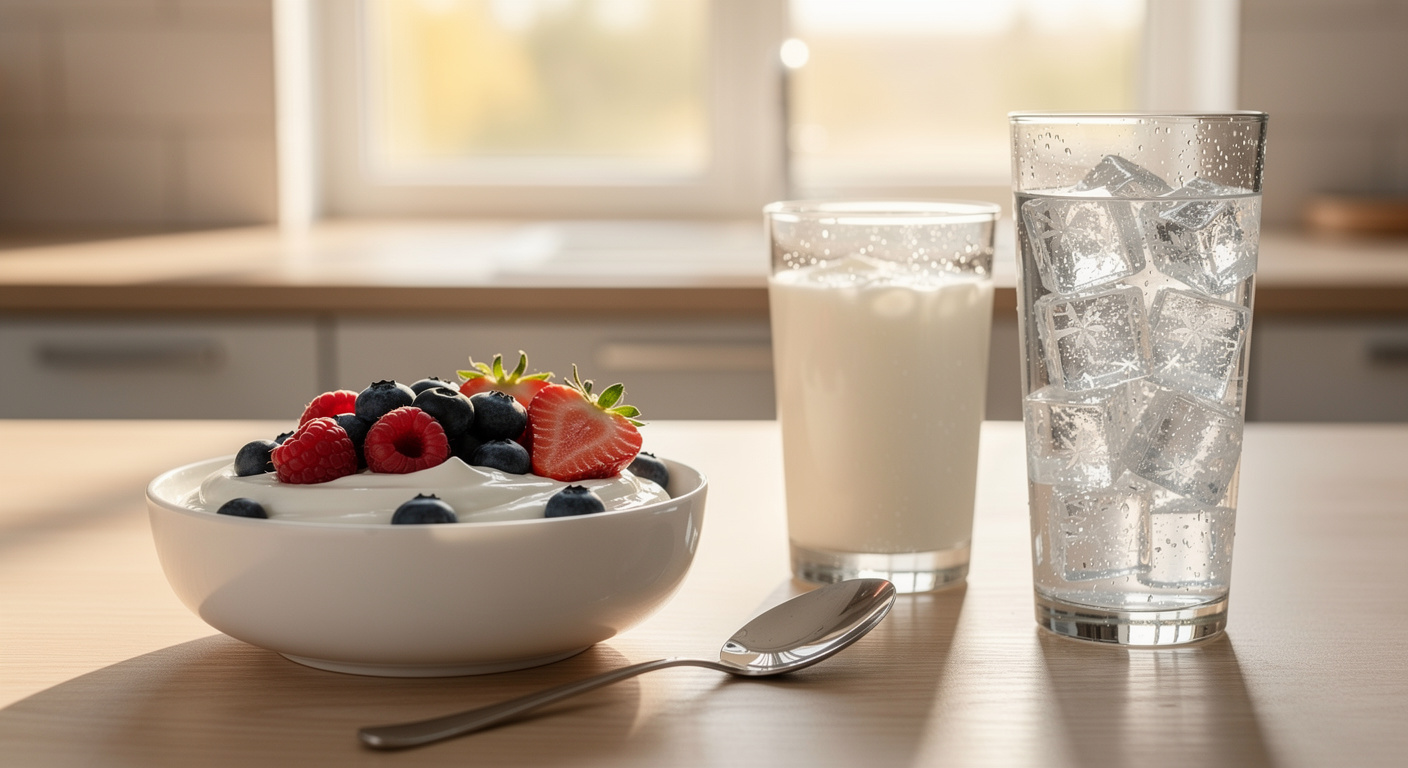
Beyond blood sugar levels, research is exploring the impact of these substances on overall health. Some studies suggest that sweet taste without calorie intake may, in some individuals, stimulate appetite later in the day. The other major area of study concerns the gut microbiota. Although current evidence is inconclusive, according to Kimberley Rose-Francis, it is possible that sweeteners influence the gut flora. Rather than advocating total avoidance, the expert suggests an inclusive approach: supporting gut health by consuming fermented foods such as yogurt, kefir, or sauerkraut to offset the potential effects.
The experts’ verdict: how can they be incorporated into everyday life?
Should we choose between zero-calorie and diet drinks? For experts, the answer depends on the context. Danielle Smiley points out that from a blood sugar perspective, there is no significant difference between the two. The important thing is how often you consume them and how these drinks fit into your overall diet. Drinking a diet soda on its own will not have the same impact as pairing it with a balanced meal that includes fiber, protein, and healthy fats, which promotes more stable energy levels.
These drinks can be useful transition tools for those who want to give up regular soda, sweetened teas, or juices. Dorian Doss, RD, MS, LD, encourages her patients to stick with water as their primary source of hydration. She advises incorporating sugar-free beverages with meals to build a sustainable hydration plan. To prevent them from becoming the sole source of fluids, Danielle Smiley recommends alternating them with flavored sparkling water or unsweetened tea.
Conclusion
When it comes to blood sugar management, there is no clear winner between zero-sugar soda and diet soda. Both options help avoid the glucose spikes associated with traditional beverages and can be part of a balanced diet. As experts point out, these beverages should support your diet, not define it. By choosing water, paying attention to ingredient lists, and observing your body’s reactions, it is entirely possible to include these products flexibly.
According to the source: eatingwell.com
Created by humans, assisted by AI.