A double celebration for the spirit
Why? Because we are celebrating a rather exceptional double anniversary. Just imagine: this is already the 30th edition of this event organized by the Hauts-de-Seine Department, and at the same time, the La Science se livre Literary Prize is celebrating its 25th anniversary. This year’s theme? « Science and Imagination(s) ». It’s a theme that promises to sparkle, because the goal has remained the same for three decades: to take knowledge out of the labs and plant it where curiosity grows best, that is, in the heart of our cities and our daily interactions.
A free playground in 26 municipalities
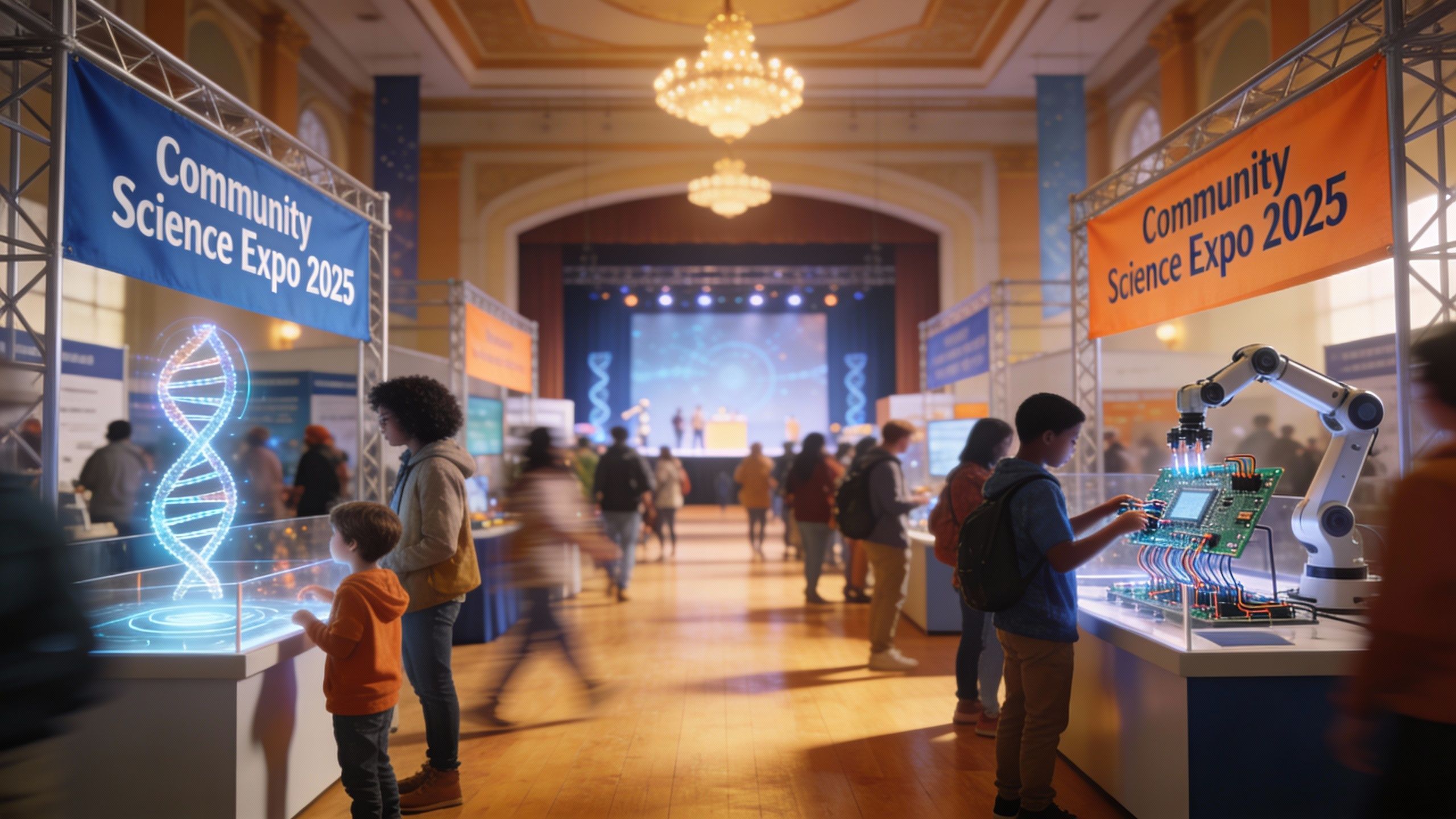
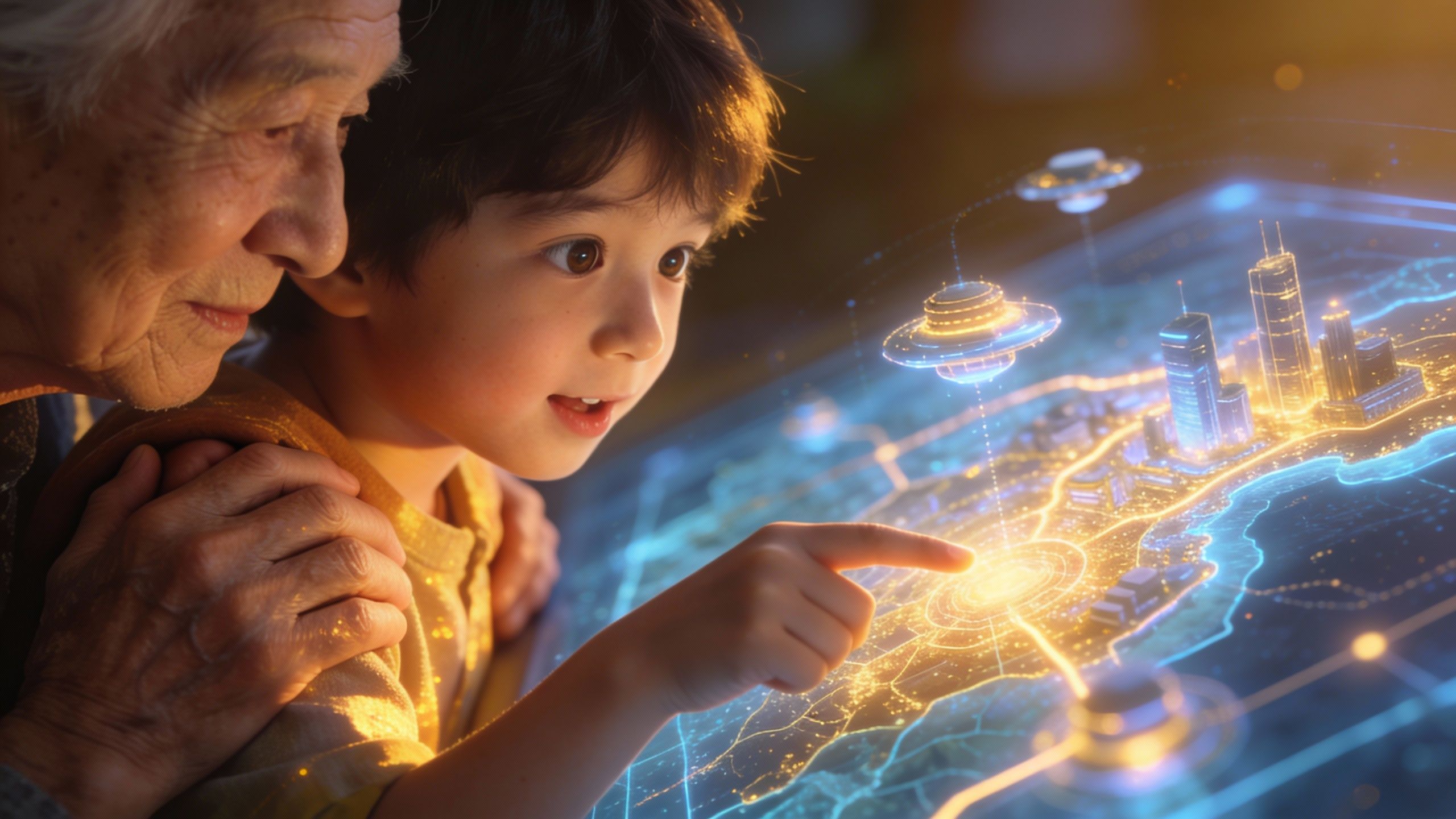
The idea is to « discover science in a different way. » Forget boring lectures; here, it’s all about discussion, hands-on activities, and testing. Workshops, exhibitions, shows… everything is designed to get your brain working in a fun way. This year, the dialogue between science and imagination is at the heart of everything. We’ll be asking fascinating questions: how has science fiction inspired real researchers? What role do myths and futuristic stories play in our understanding of AI and space?
This theme fits perfectly with the current citizen participation initiative « Dreaming of Hauts-de-Seine in 2050. » Everyone, especially young people, is invited to imagine the future and share their dreams on the dedicated platform. Human encounters and a literary competition
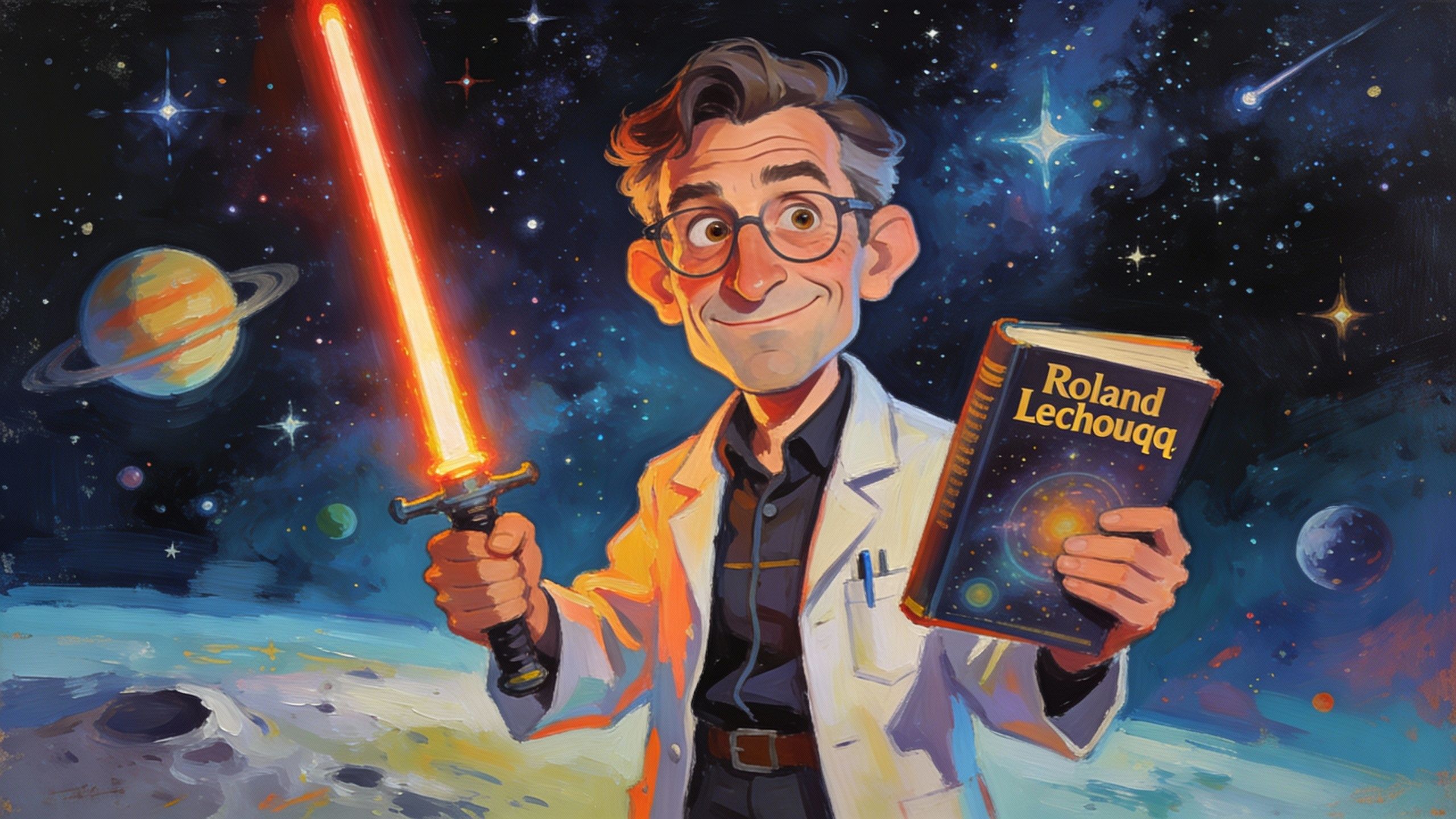
What makes this event so special is, above all, the people. Science is a human adventure, full of doubts and passions, and this year’s program embodies that perfectly. You can meet fascinating figures such as Momoko Seto, director and researcher at the CNRS, or attend debates on artificial intelligence. And for fans of stars (and lightsabers), don’t miss the debate with astrophysicist Roland Lehoucq, a leading expert on the link between science and science fiction. On the reading side, the Literary Prize (which was created in 2001, making us feel our age) continues to reward the best popular science books for the general public and young people. The idea is simple: to encourage a taste for reading about science from middle school onwards, with a view to perhaps inspiring future careers. Three books are in the running for the 2026 edition, and the titles alone are enough to whet the appetite:
- Dans les pantoufles de Darwin (In Darwin’s Slippers) by Camille Van Belle and Adrien Miqueu (Éditions Alisio);
- The intriguing « Pourquoi les bananes n’ont-elles pas de pépins ? » (Why don’t bananas have seeds?) by Benjamin Nowak (Éditions Dunod);
- And the unmissable « Tout comprendre (ou presque) sur l’intelligence artificielle » (Understanding (almost) everything about artificial intelligence) by Olivier Cappé and Claire Marc (Éditions CNRS).
A little practical information for those who would like to have their say: you can become one of the two hundred jury readers. All you have to do is register before March 1, 2026, using the form on the Department’s website (hauts-de-seine.fr).
Conclusion: An invitation to adventure
According to the source: science-et-vie.com Created by humans, assisted by AI.