
A discreet but formidable change of course
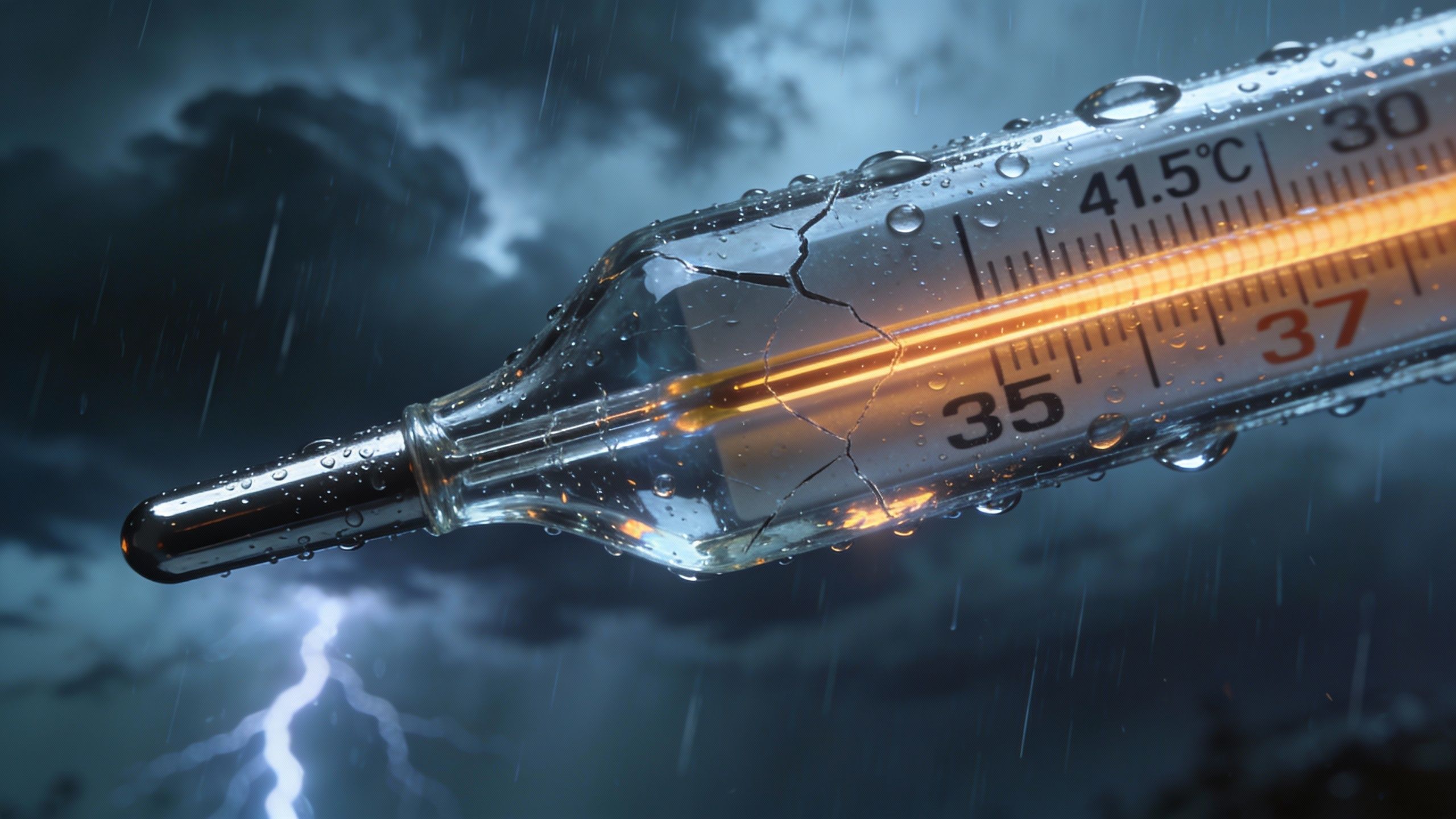
It’s not just a matter of a few degrees more or less; it’s the growing risk of seeing our meteorological balance completely disrupted on a global scale. We are heading towards a winter of 2026-2027 that could well leave a lasting impression, not because of a sudden catastrophe, but because of the outcome of an inexorable mechanism.
The end of La Niña and the awakening of the giant

We often tend to imagine climate change as a series of spectacular disruptions, much like in disaster movies. But the reality is more subtle: the climate also evolves through gradual shifts, almost imperceptible at first, which ultimately reconfigure everything. The equatorial Pacific, which acts somewhat like the Earth’s giant thermostat, is sending us clear signals. Several indicators are now pointing to a major phase shift expected in the coming months. And beware, this shift is not happening in a stable, « old-fashioned » climate, but in an already feverish world where every natural oscillation acts as an amplifier. How does this work in concrete terms? The famous ENSO cycle is an alternation between cold and warm phases. Since the end of 2025, the current phase, known as La Niña, has been showing clear signs of fatigue. Cold surface anomalies are decreasing in the western Pacific basin, and, this is where it gets interesting, pockets of underwater heat are gradually rising to the surface. It’s a kind of reset of the system. Moreover, the latest analyses published by Severe Weather Europe are clear: this transition could accelerate as early as the beginning of 2026, much sooner than we have seen in the past. The winds will reorganize, the convection zones will shift… in short, the whole machine will grind to a halt and start moving in the other direction.
When El Niño meets global warming
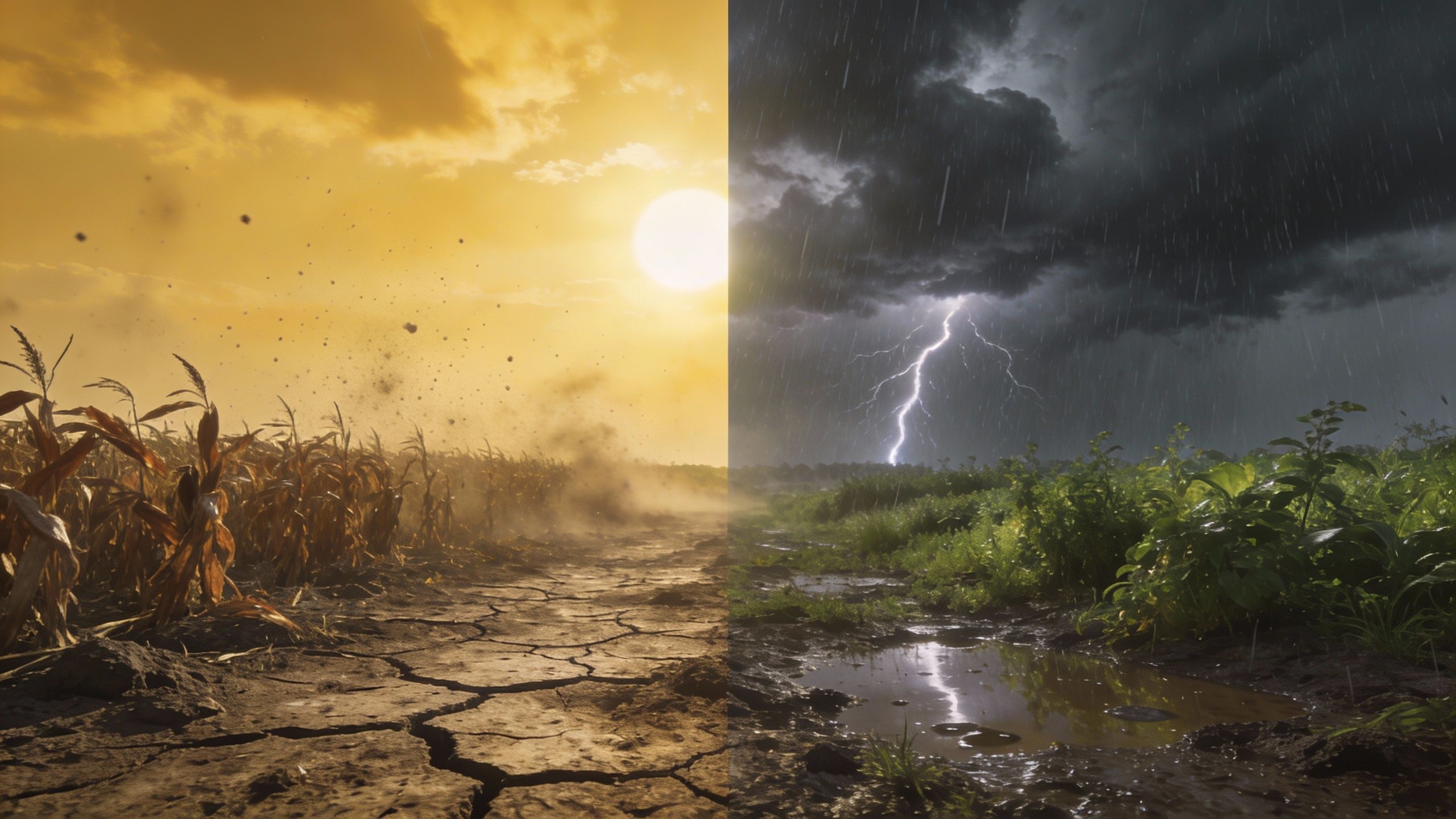
It is important to understand that El Niño no longer occurs in the same context as it did in the last century. Those days are over. Today, global average temperatures have reached unprecedented levels—remember that 2024 remains the hottest year on record since measurements began. It’s scary when you think about it. When El Niño occurs, warm waters accumulate on the surface of the equatorial Pacific, temporarily reinforcing global warming. Except that now, this natural contribution is added to a climate already saturated with greenhouse gases.
According to analyses reported by Futura Sciences, this overlap not only increases the average, it also accentuates the extremes. It’s a bit like a double whammy. The consequences? They are varied and sometimes cruel, depending on where you live. We are talking about increased droughts in Australia and Southeast Asia, more intense vegetation fires—we all have those terrible images in our minds—and changes in rainfall on the American continent. Paradoxically, this could also temporarily reduce cyclonic activity in the Atlantic. On a global scale, this additional warming may seem modest on paper, but it is enough to cross critical thresholds in systems that are already highly fragile.
Europe and France: what should we expect?

And where do we fit into all this? Europe is always a special case. We are too far away to suffer the immediate direct effects of the Pacific, so we suffer the knock-on effects. Our weather depends mainly on the jet stream, the high-altitude current that drives our storms. During winters marked by El Niño, we often see more persistent westerly flows over the North Atlantic. For France, this generally translates into milder and wetter early winters. Forget about snow at Christmas; it’s more likely to be rain and wind, with increased low-pressure activity, before a possible colder spell at the end of the season. Of course, these are probabilities, not absolute certainties; the weather remains somewhat of a mystery.
Curiously, there is also an economic aspect to all this. A study by the International Monetary Fund (IMF), which examined decades of data, highlights that El Niño episodes tend to temporarily stimulate economic activity in certain temperate regions, including here in Europe. This is due to indirect effects on trade and energy. But let’s not get too excited: this small economic benefit comes with a much heavier global climate cost. The winter of 2026-2027 will probably not be a simple isolated anomaly, but yet another sign of a climate that is no longer able to absorb natural shocks without consequences.
According to the source: science-et-vie.com
Created by humans, assisted by AI.