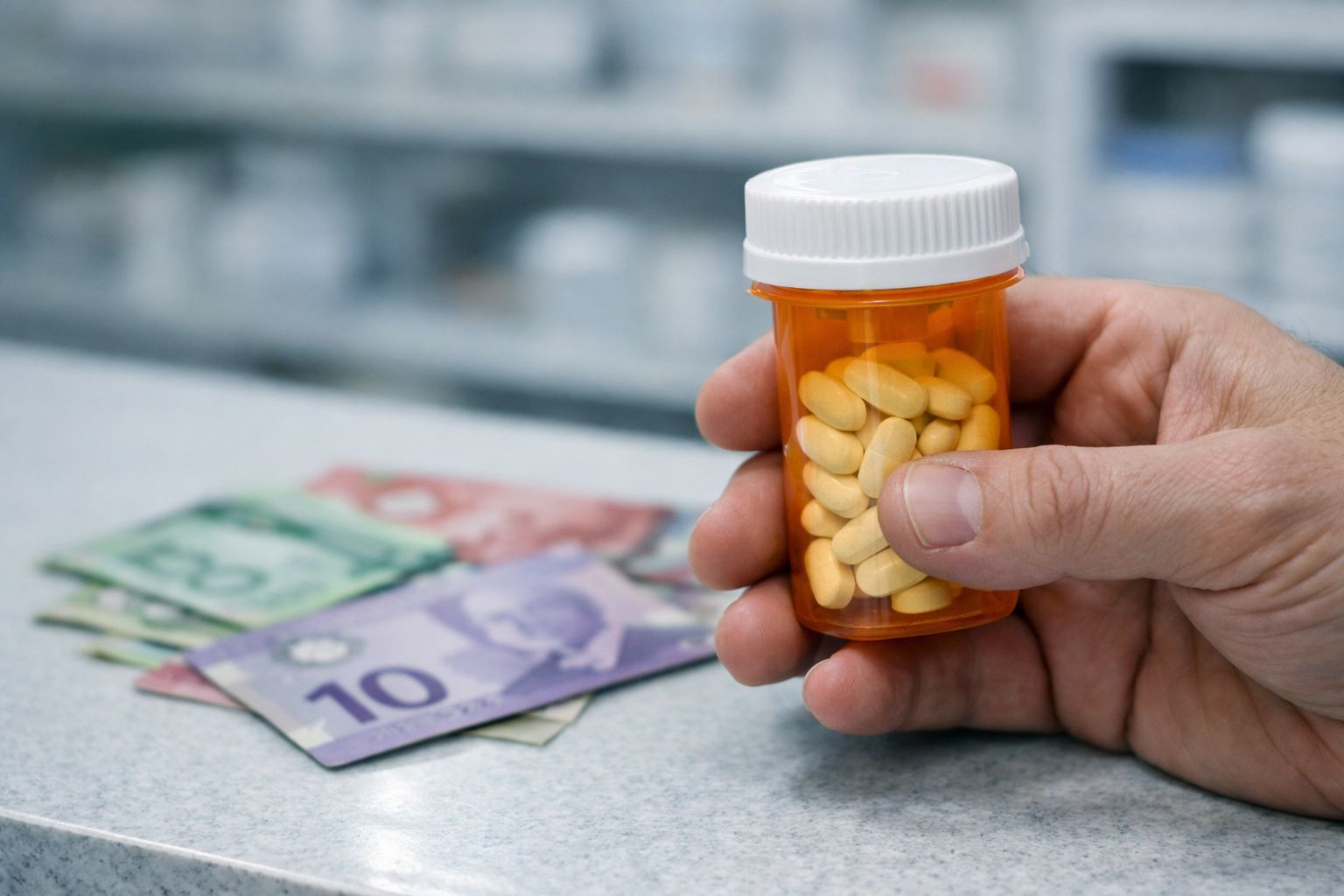
A bar opened with public money
Imagine buying a baguette for $3 and the baker charging you $200 to hand it to you. Absurd, isn’t it? Yet this is exactly what is possible in some pharmacies in Quebec, as long as the customer is a victim of a criminal act compensated by IVAC. A Montreal pharmacist, outraged by the situation, sounded the alarm on the TV show Enquête. For him, the conclusion is clear: it’s « absurd » and « blatantly lax. » After all, it’s our taxes that are paying for it.
To prove his point, this owner (who remained anonymous for fear of reprisals) conducted a full-scale test. He took the file of a patient covered by IVAC to whom he was dispensing clonazepam. This small anti-anxiety medication costs only $3.22. Normally, he would charge about $12 for this service. But for the experiment, he entered a $100 claim into the system. The result? It was accepted immediately. The money was paid two weeks later. He then canceled the transaction to reimburse the government, but the point had been made.
$200 in fees without any questions asked
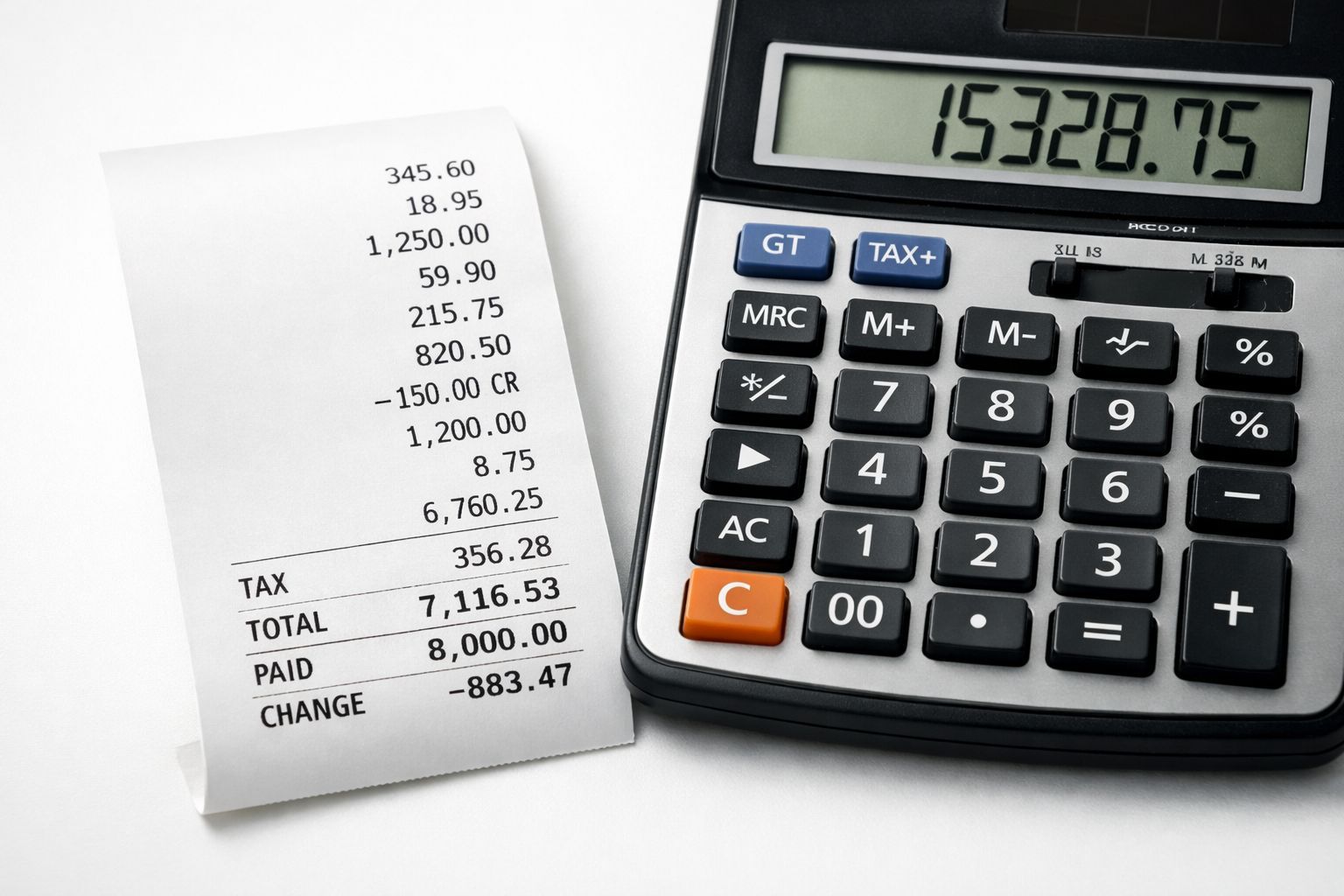
The pharmacist wanted to take things even further. He tried the experiment again, this time charging $200 for the same $3 medication. That’s sixteen times the normal price! And guess what? The system validated the transaction without batting an eyelid. His account was credited with $203.22. No alert, no verification call, no request for adjustment from IVAC. If such a bill had been sent to a private insurance company, it would have been blocked outright. « It’s excessive, it wouldn’t have gone through, » confirms our whistleblower.
Unfortunately, this is not an isolated case. The Enquête team combed through the data and discovered that, as of October 31, there were 547 cases where pharmacists had charged astronomical amounts for basic medications costing between $3 and $13.50 per month. For example, for citalopram (a $4 antidepressant), an average fee of $97 was charged 33 times. For naproxen, a simple anti-inflammatory, the bill exceeded $100 on 56 occasions. On average, these inflated fees are around $78.
Why is no one monitoring the cash register?
Collateral damage

This lack of rules has very real consequences beyond the bill for taxpayers. The pharmacist who contacted us heard about this scam from a colleague who was in the middle of a misadventure. The latter had just bought a pharmacy and realized, too late, that the turnover had been artificially inflated thanks to these repeated abuses of IVAC files.
The new owner discovered exaggerated claims spanning several years. The result? He paid too much for the business, based on a distorted profitability. The case is now in the hands of the courts, with the new owner considering legal action against the seller. This is further proof that when it’s « open bar, » the bill always ends up catching up with someone.
According to the source: ici.radio-canada.ca Created by humans, assisted by AI.