The elephant in the room

Dizzying figures

Meanwhile, the bill is skyrocketing

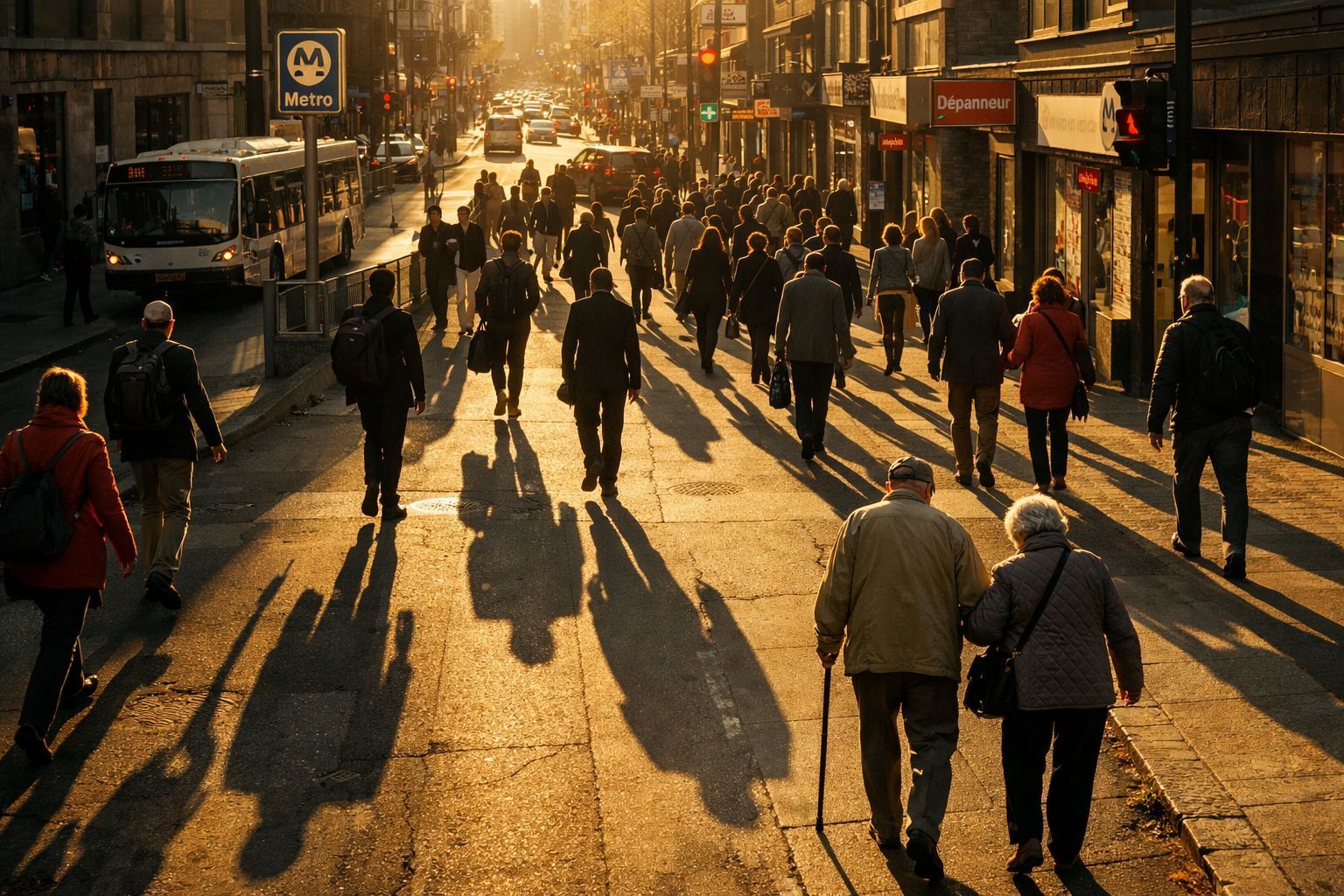
This stagnation would not be so serious if we were not one of the fastest aging societies in the world. Every year, 100,000 more people retire. This means fewer people to keep the machine running, but healthcare costs that are skyrocketing. Standard & Poor’s has already downgraded Quebec because of the increase in borrowing for our infrastructure. Debt is ballooning, and the financial markets are watching us. And on a daily basis? Inflation hurts. Metro has announced that price increases could exceed the usual 2 to 3% as early as next week. This is a hard pill to swallow when you consider that the total compensation of the grocery store’s senior executives jumped 15.9% to $16.3 million in 2025. This is in stark contrast to households that are struggling to make ends meet.
For businesses, it’s a headache. Ninety-eight percent of Quebec businesses are SMEs, the real lifeblood of our economy. Yet they are desperately short of workers. Policies to reduce the number of temporary foreign workers are causing concern, as these employees have become essential, from Montreal to the regions.
Hello politicians, is there a plan?

Faced with this wall, the silence of aspiring leaders is deafening. What do Paul St-Pierre Plamondon, Christine Fréchette, Bernard Drainville, Éric Duhaime, Ruba Ghazal, and Charles Milliard have to say? If the Parti Québécois takes power, how will it manage independence with a declining population and skyrocketing healthcare costs?
And that’s not all. With Donald Trump threatening to scrap the free trade agreement (CAFTA) and impose tariffs, the future of our forestry workers is becoming increasingly precarious. Who has a strategy for housing? For productivity? For maintaining our public services without indebting future generations?
We’re going to have to talk about the economy and finances before 2026. If we’re being promised better hospitals and new roads, the least we deserve is an explanation of how they plan to pay for them with fewer taxpayers. Per capita GDP may increase, of course, but the state’s ability to care for an aging population is the real challenge of tomorrow. Dear candidates, the floor is yours.
According to the source: ici.radio-canada.ca Created by humans, assisted by AI.